






























 UK
UK  EN
EN  PT
PT  UZ
UZ  FR
FR  DE
DE  IT
IT  RU
RU  ES
ES  HE
HE  AR
AR  RO
RO  HI
HI  JA
JA  KO
KO  TR
TR  NL
NL  PL
PL  VI
VI  TH
TH  ML
ML  CS
CS  DA
DA  SV
SV  FI
FI  LV
LV  BG
BG  HU
HU  EL
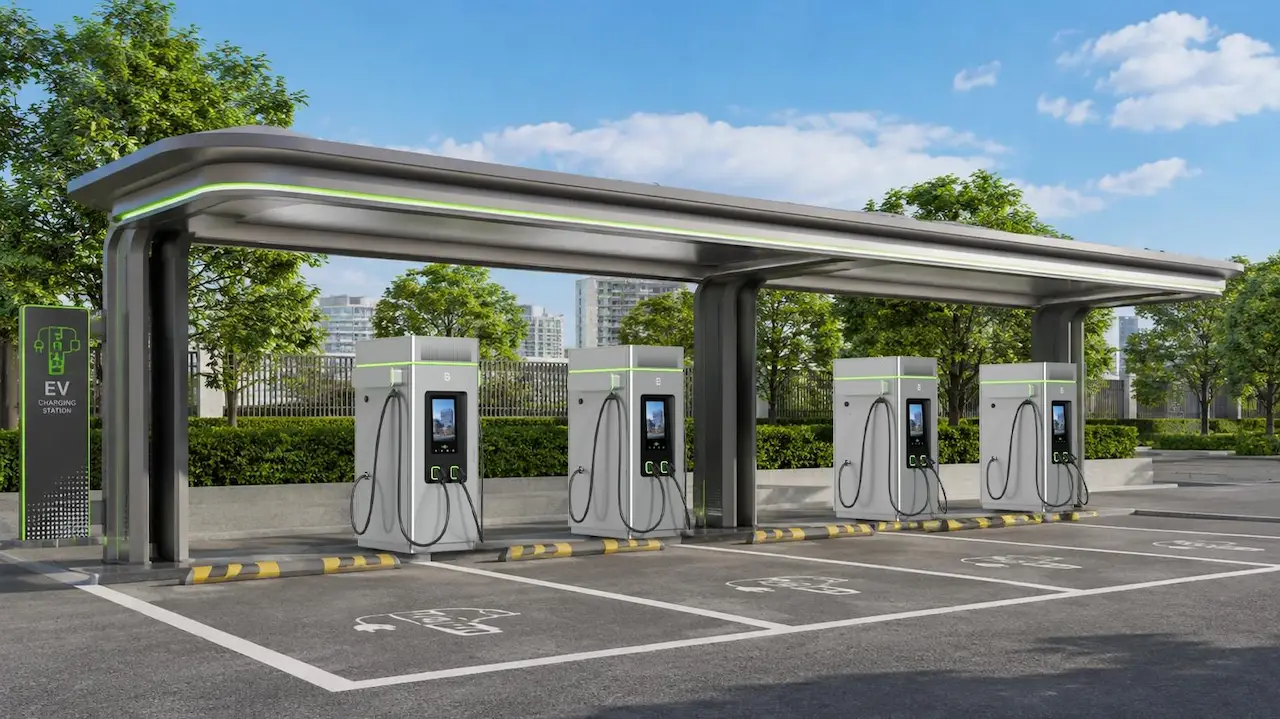
EL Сонячний зарядний пристрій для електромобілів допомагає водіям використовувати більше власної сонячної енергії для заряджання, зменшувати витрати на електроенергію та створювати чистішу систему заряджання. У цьому посібнику пояснюється, як працює сонячний зарядний пристрій для електромобілів, його основні переваги, чи потрібне зберігання енергії в акумуляторі та чому DLB важливий при виборі правильної системи.
Багато користувачів шукають розумна зарядка для електромобілів у будинку також хочуть краще використовувати сонячні панелі на дахах та зменшити залежність від електроенергії з мережі.
Що таке сонячний зарядний пристрій для електромобілів?
А сонячний зарядний пристрій для електромобілів це зарядний пристрій для електромобілів, який працює разом із системою сонячної енергії.
Сам зарядний пристрій не генерує електроенергію. Натомість він використовує електроенергію, що постачається через електричну систему будівлі, яка може включати сонячну енергію, енергію з мережі або і те, й інше. Коли доступна сонячна енергія, зарядний пристрій може використовувати цю енергію для підтримки заряджання електромобілів.
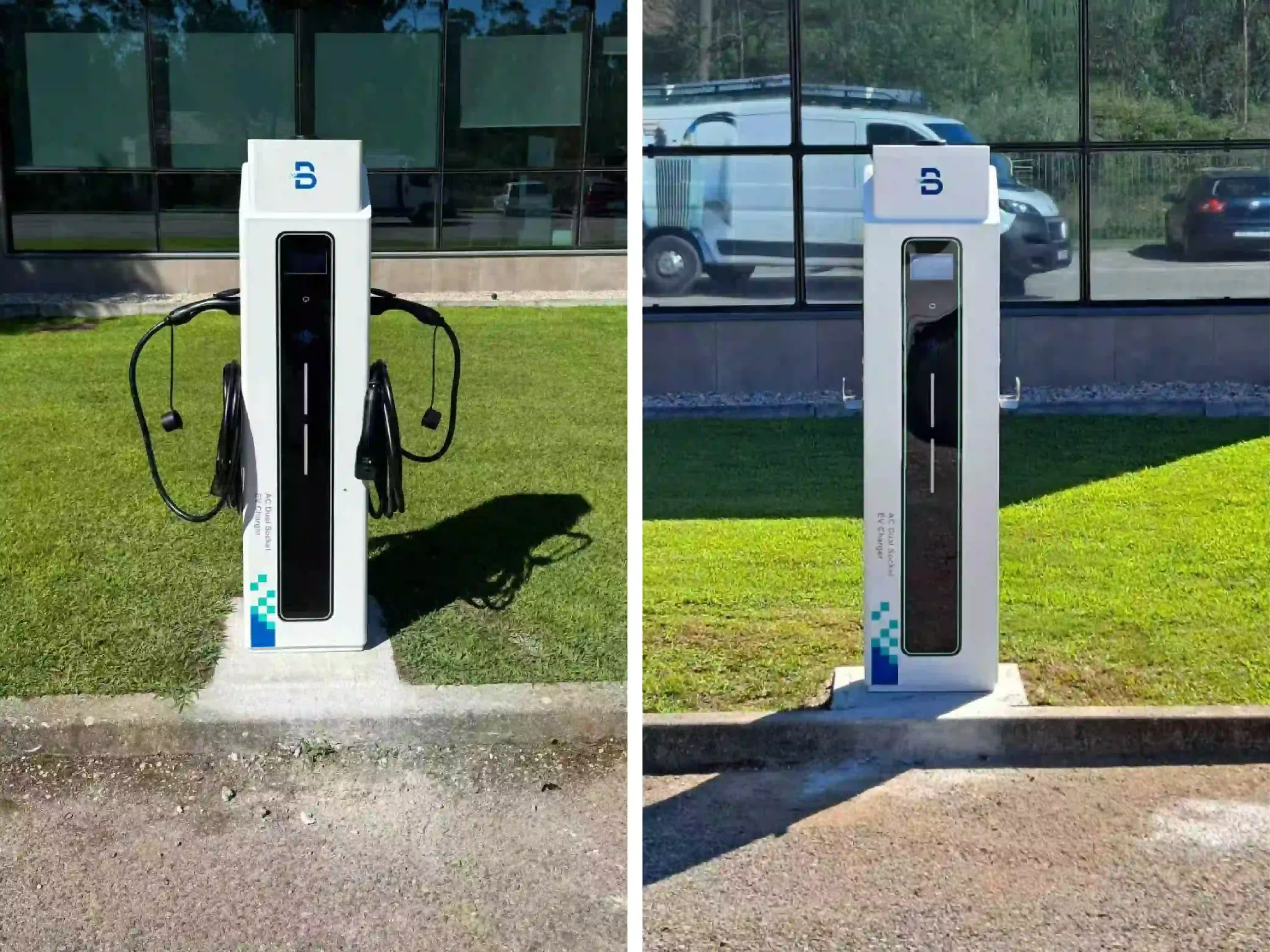
У більшості житлових та легких комерційних випадків сонячний зарядний пристрій для електромобілів тісно пов'язаний з Рішення для заряджання електромобілів змінного струму, де сонячна генерація, побутові навантаження та зарядка електромобілів повинні працювати разом більш злагоджено.
Простіше кажучи, сонячний зарядний пристрій для електромобілів працює в рамках більшої енергетичної системи, де сонячні панелі виробляють електроенергію, навантаження будівель споживають її частину, а будь-яка доступна сонячна енергія може бути використана для заряджання електромобілів.
Як працює сонячний зарядний пристрій для електромобілів?
Сонячний зарядний пристрій для електромобілів працює, заряджаючи транспортний засіб через електричну систему об'єкта, використовуючи при цьому доступну сонячну енергію, коли це можливо.
У типовій конфігурації процес виглядає так:
- Сонячні панелі виробляють електроенергію протягом дня.
- Домашні або будівельні навантаження використовують частину цієї електроенергії перший.
- Залишок сонячної енергії може підтримувати зарядку електромобілів коли доступно.
- Мережа все ще може постачати резервне живлення якщо сонячної генерації недостатньо.
У реальному житті сонячна енергія змінюється протягом дня. Навантаження домогосподарств також змінюється, а попит на зарядку електромобілів не завжди постійний. Ось чому сонячний зарядний пристрій для електромобілів працює найкраще, коли керування зарядкою є гнучким та чутливим, а не фіксованим.
Які переваги сонячного зарядного пристрою для електромобілів?
Сонячний зарядний пристрій для електромобілів може створювати цінність кількома практичними способами.
1. Зниження витрат на зарядку електромобілів
Якщо більше енергії для зарядки надходитиме з власної сонячної енергії, користувач може зменшити кількість електроенергії, яку потрібно купувати з мережі. З часом це може знизити вартість зарядки електромобіля.
2. Краще власне споживання сонячної енергії
Без заряджання електромобілів частину сонячної енергії можна експортувати назад у мережу. На багатьох ринках цінність місцевого споживання енергії вища, ніж компенсація експорту. Сонячний зарядний пристрій для електромобілів допомагає перетворити більше доступної сонячної енергії на корисну зарядку на місці.
3. Зарядка для чистішого повітря
Для користувачів, які зосереджені на сталому розвитку, сонячна зарядна станція для електромобілів може зробити зарядку електромобілів більш узгодженою з цілями відновлюваної енергії, збільшуючи частку зарядки за рахунок сонячної генерації на місці.
4. Розумніше використання енергії
Сонячна зарядна станція для електромобілів — це не лише заряджання автомобіля. Вона також є частиною ширшої енергетичної стратегії об'єкта, де генерація сонячної енергії, зарядні навантаження та доступна потужність повинні ефективно працювати разом.
Чи може сонячний зарядний пристрій для електромобілів заряджатися лише сонячною енергією?
Іноді так, але не завжди.
Це залежить від кількох факторів, зокрема:
- розмір сонячної панелі
- час доби
- погодні умови
- сезон
- Розмір акумулятора електромобіля
- налаштування потужності заряджання
- інші навантаження, що працюють на сайті
Наприклад, у сонячний день із сильним сонячним виробництвом та низьким попитом будівель, сонячний зарядний пристрій для електромобілів може заряджати їх переважно від сонячної енергії. Але в багатьох практичних ситуаціях лише сонячна генерація не завжди відповідає попиту на зарядку. Це означає, що мережа часто все ще потрібна як частина загальної системи заряджання.
Чи потрібне вам зберігання акумулятора за допомогою сонячного зарядного пристрою для електромобілів?
Не обов'язково.
Сонячний зарядний пристрій для електромобілів може працювати без акумулятора. Багато проектів сонячної зарядки просто використовують доступну сонячну енергію та покладаються на мережу, коли сонячної енергії недостатньо.
Зберігання енергії в батареї все ще може бути корисним у деяких випадках, особливо коли користувач хоче:
- перевести сонячну енергію на пізніші години зарядки
- зменшити пікове навантаження на сайт
- покращити енергетичну стійкість
- плавна координація між сонячною потужністю та потребою в зарядці
Для проектів, що потребують більшої гнучкості, інтегровані рішення для зберігання та заряджання може допомогти перевести сонячну енергію на пізніші години зарядки та підвищити стійкість об'єкта.
Однак, накопичення енергії також збільшує вартість та складність системи. Для багатьох проектів першим кроком не обов'язково є додавання акумулятора. Першим кроком є вибір сонячної зарядної установки для електромобілів з кращою координацією потужності.
Як вибрати правильний зарядний пристрій для сонячних електромобілів
Вибір правильного зарядного пристрою для сонячних електромобілів залежить не лише від потужності зарядного пристрою. Йдеться також про те, наскільки добре зарядний пристрій відповідає реальному енергетичному профілю об'єкта.
Деякі з найважливіших питань:
- Який сценарій заряджання? Дім, робоче місце, бізнес-парковка чи місце для автопарку?
- Скільки сонячної генерації доступно? Більші фотоелектричні системи можуть підтримувати більшу потужність заряджання, але вихідна потужність все одно варіюється.
- Які ще вантажі є на сайті? Побутова техніка, системи опалення, вентиляції та кондиціонування повітря, комерційне обладнання або додаткові зарядні пристрої можуть конкурувати за живлення.
- Чи ймовірне розширення в майбутньому? Деяким сайтам потрібен один зарядний пристрій сьогодні, але пізніше буде більше точок зарядки.
- Наскільки важливий контроль над потужністю? У багатьох проектах загальна продуктивність менше залежить від потужності, зазначеної в паспорті зарядного пристрою, і більше від того, наскільки інтелектуально керується доступною потужністю.
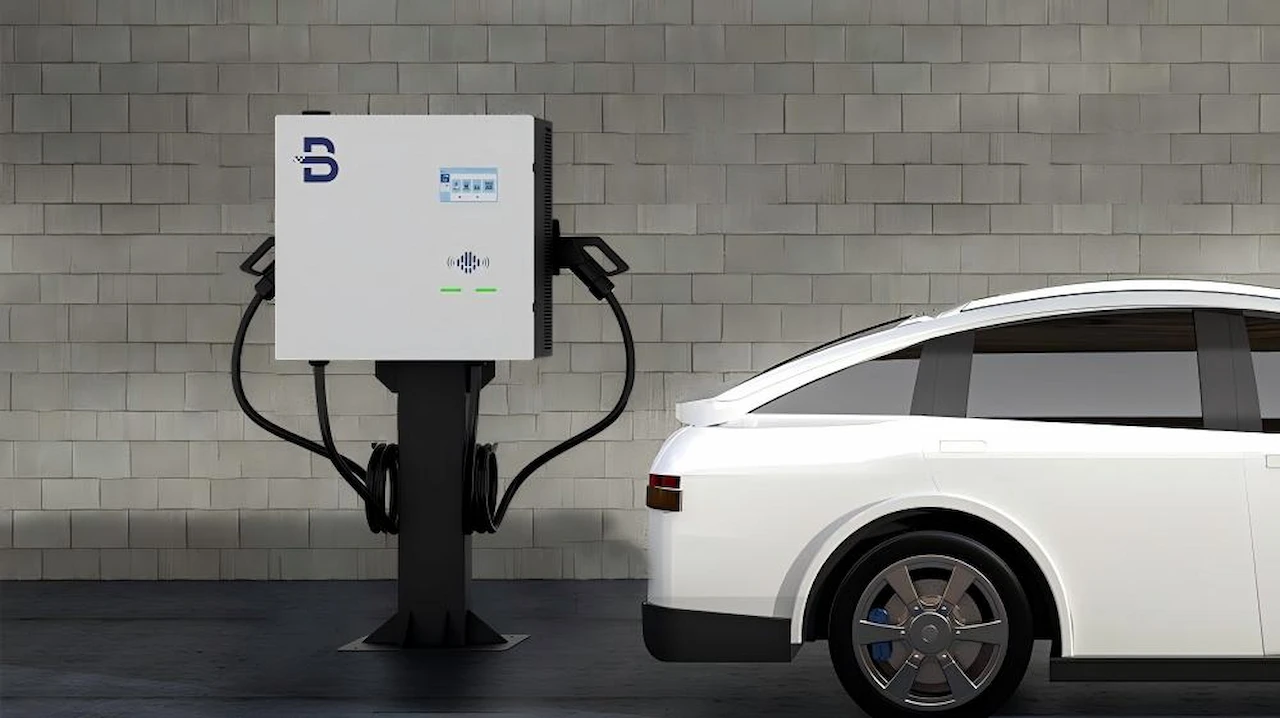
Для домашніх користувачів, які планують постійне встановлення, настінний зарядний пристрій змінного струму для електромобілів часто є більш практичним варіантом, ніж базова схема некерованої зарядки.
Чому DLB має значення в установці сонячного зарядного пристрою для електромобілів
Ось де динамічне балансування навантаження, або DLB, стає дуже цінним.
Сонячний зарядний пристрій для електромобілів не працює самостійно. Він використовує живлення від мережі разом з іншими електричними навантаженнями та залежить від сонячної генерації, яка змінюється протягом дня. Якщо зарядна потужність не керується належним чином, система може споживати забагато енергії з мережі, перевантажувати об'єкт або неефективно використовувати сонячну енергію.
DLB допомагає вирішити цю проблему, динамічно регулюючи потужність зарядки залежно від умов на місці в режимі реального часу.
Це створює кілька важливих переваг:
- Краще використання доступної потужності сайту — заряджання залишається в межах реального ліміту потужності на об'єкті.
- Розумніше використання сонячної енергії — зарядна потужність може реагувати на зміни в генерації сонячної енергії.
- Покращена стабільність заряджання — тарифікація може коригуватися, коли навантаження на домогосподарства або будівлі збільшується.
- Краща координація кількох зарядних пристроїв — доступну потужність можна ефективніше розподіляти між зарядними пристроями.
На практиці, розумна зарядка електромобілів з DLB допомагає сонячному зарядному пристрою для електромобілів більш розумно використовувати доступну електроенергію в реальних умовах.
Сонячний зарядний пристрій для електромобілів для дому та бізнесу
Одне й те саме ключове слово може використовуватися як домовласниками, так і підприємствами, але їхні потреби зазвичай різні.
| Сценарій | Головна мета | Типовий пріоритет |
|---|---|---|
| Дім | Зменшення витрат на зарядку | Сонячне власне споживання, зручність, стабільна зарядка дому |
| Бізнес | Підтримка заряджання на рівні об'єкта | Кілька зарядних пристроїв, координація навантаження, майбутнє розширення, DLB |
Для домовласників ідея енергетична свобода вдома стає більш реалістичним, коли сонячна зарядка та DLB працюють разом.
Тож, хоча термін «сонячний зарядний пристрій для електромобілів» однаковий, системні вимоги можуть дуже відрізнятися між домашнім та комерційним проектами.
Чи варто купувати сонячний зарядний пристрій для електромобілів?
Для багатьох користувачів, так.
Але цінність полягає не лише в слові «сонячний». Вона випливає з того, наскільки добре зарядний пристрій працює в реальних енергетичних умовах об’єкта.
Погано скоординований зарядний пристрій все ще може створювати піки в мережі, ігнорувати зміни навантаження будівлі або неефективно використовувати доступну сонячну енергію. Краще спроектована система може набагато краще використовувати доступну потужність і забезпечити стабільніший процес заряджання.
Ось чому краще питання не лише:
Чи варто мені купувати сонячну зарядку для електромобілів?
Це також:
Яка система зарядки сонячних електромобілів насправді підходить для роботи в реальних умовах мого майданчика?
Як EVB підтримує проекти зарядки сонячних електромобілів
EVB підтримує проекти заряджання електромобілів, інтегровані в сонячну енергію, допомагаючи узгодити можливості зарядних пристроїв з реальними умовами електропостачання на місці.
У системах заряджання сонячних електромобілів це означає, що потрібно виходити за рамки базового встановлення зарядного пристрою та зосереджуватися на продуктивності на рівні системи, зокрема:
- вибір зарядного пристрою залежно від потреби в зарядці
- координація між сонячною потужністю та зарядним навантаженням
- ефективніше використання доступної потужності сайту
- розумніше керування зарядкою за допомогою DLB
- краща гнучкість як для домашніх, так і для комерційних проектів
У більших або складніших установках, Управління навантаженням зарядки електромобілів стає одним із ключових факторів, що робить зарядку сонячних електромобілів більш стабільною та масштабованою.
Для багатьох проектів зарядних станцій для сонячних електромобілів DLB є одним з найважливіших факторів, що робить систему стабільнішою, ефективнішою та практичнішою з часом.
Заключні думки
Сонячний зарядний пристрій для електромобілів може бути дуже ефективним способом зменшення витрат на зарядку, покращення власного споживання сонячної енергії та створення чистішої системи заряджання.
Але найкращих результатів можна досягти не лише за допомогою сонячних панелей. Вони досягаються завдяки поєднанню сонячної генерації з правильною логікою заряджання та правильним управлінням живленням.
Ось чому DLB важливий.
Це допомагає сонячному зарядному пристрою для електромобілів реагувати на реальні умови на місці, використовувати доступну енергію більш розумно та забезпечувати кращу продуктивність заряджання у щоденному використанні.
Якщо ви плануєте проект зарядки для електромобілів на сонячній енергії, вибір зарядного пристрою – це лише одна частина рішення. Не менш важливим є вибір системи, яка може інтелектуально керувати сонячною енергією, навантаженням на об'єкті та потребою в зарядці.