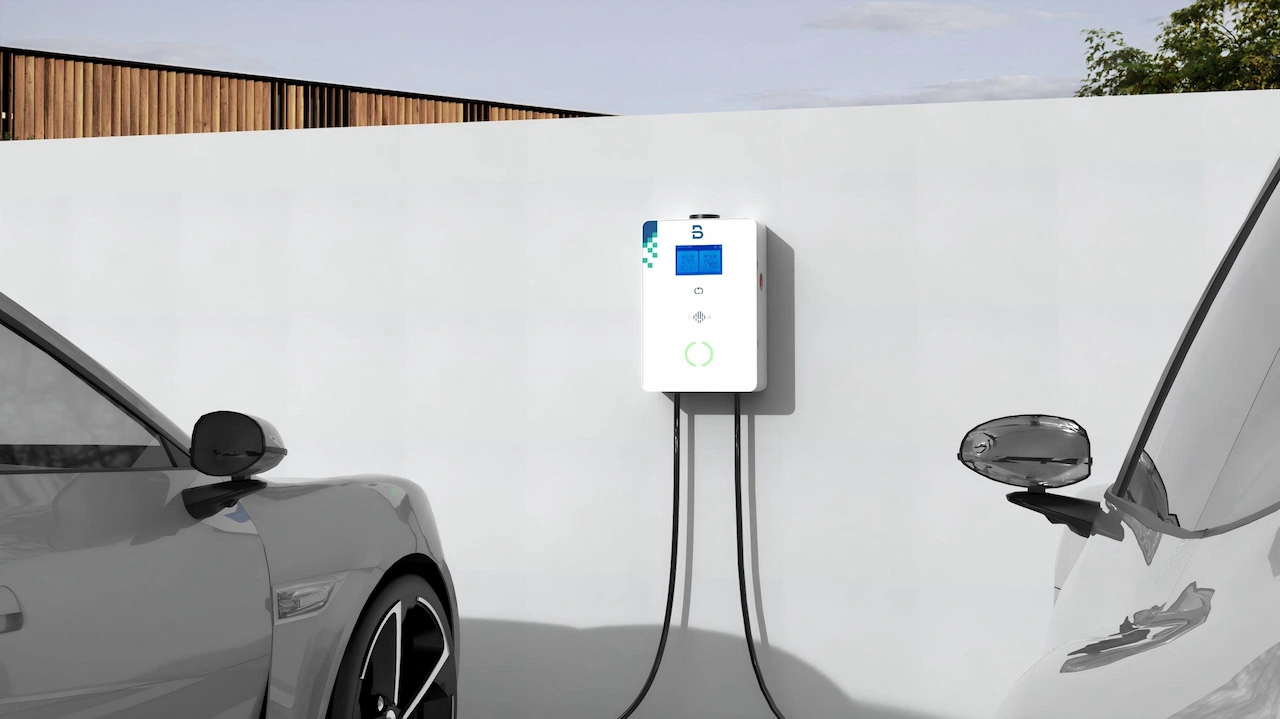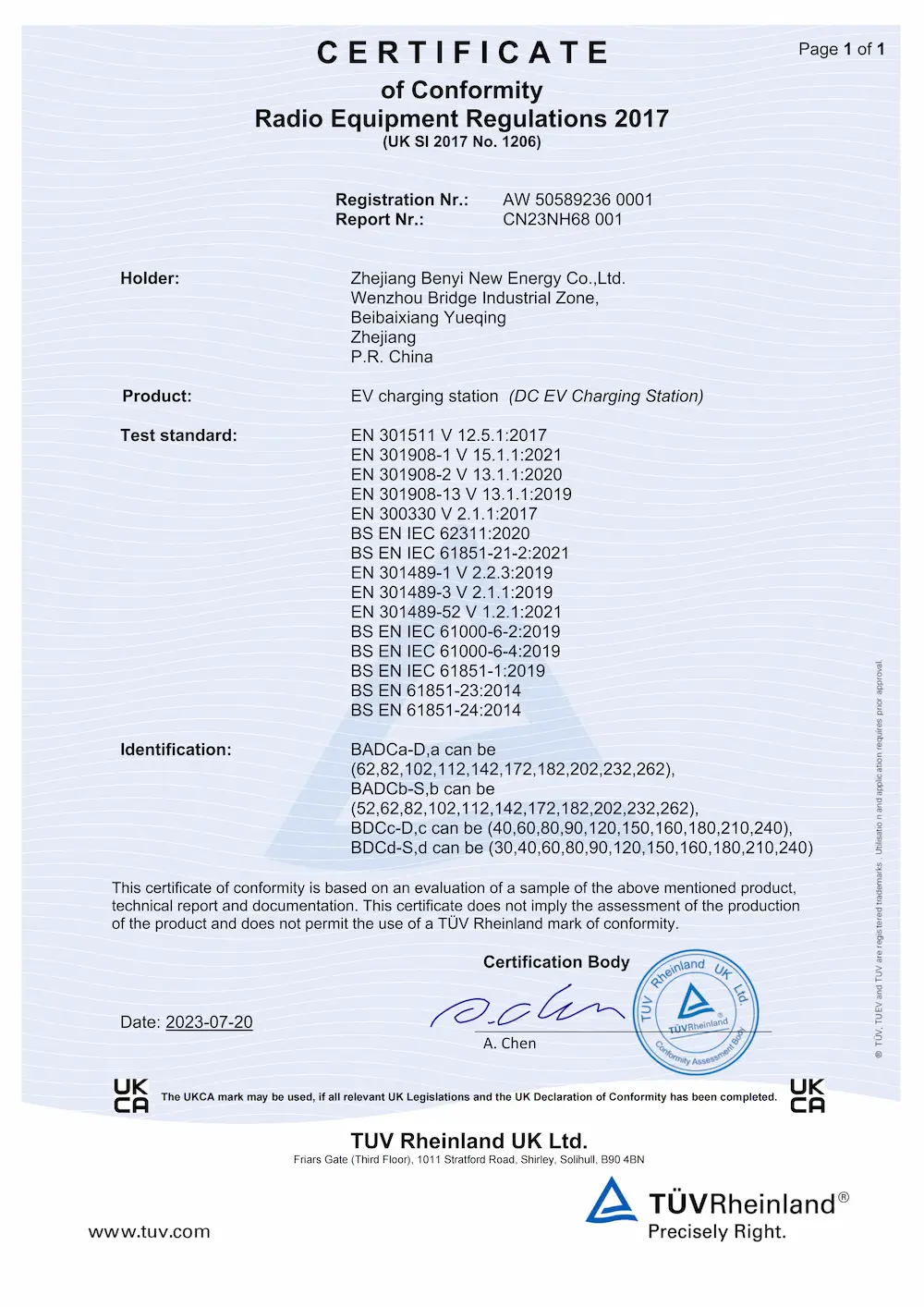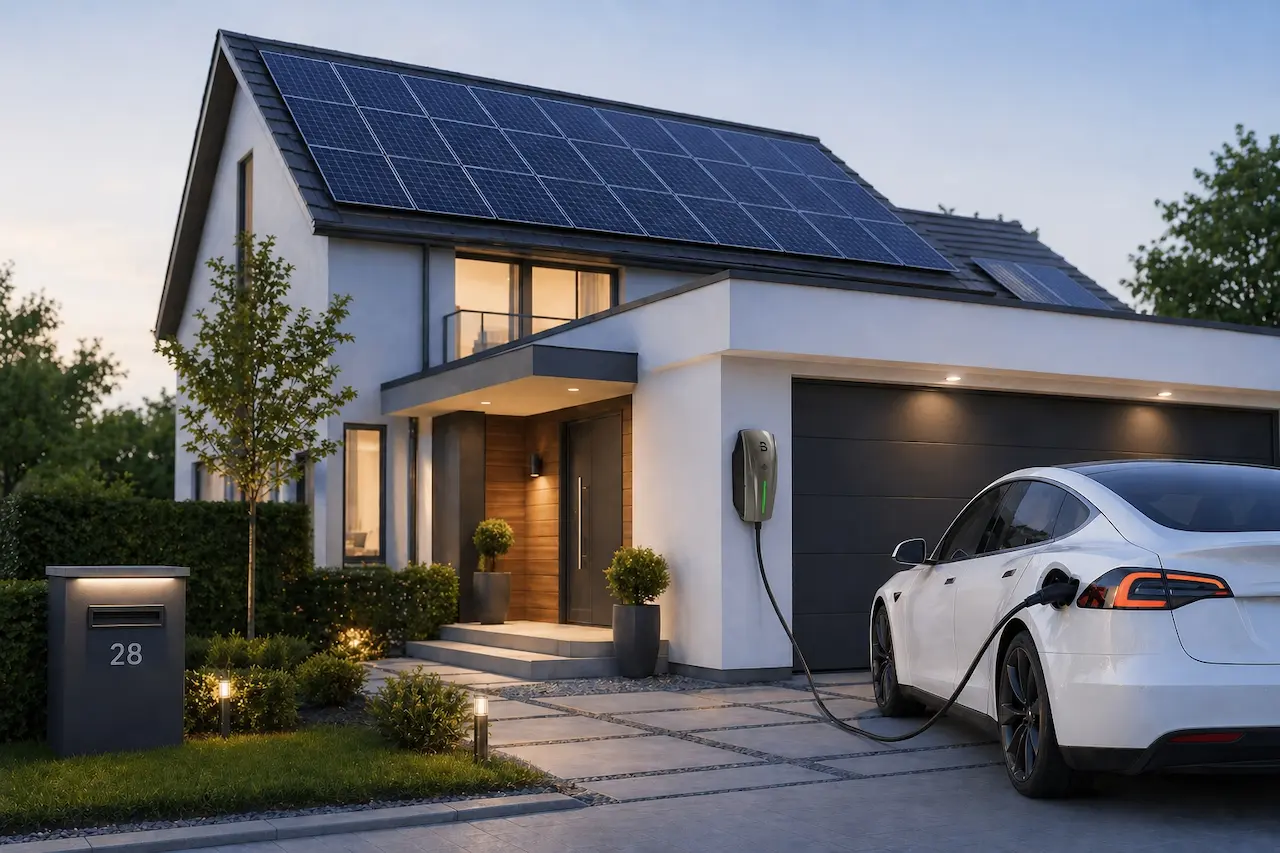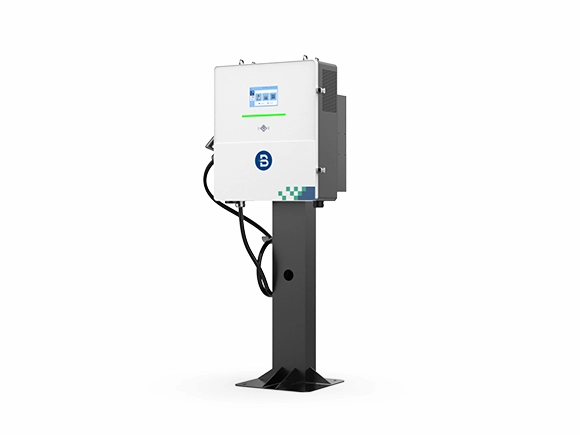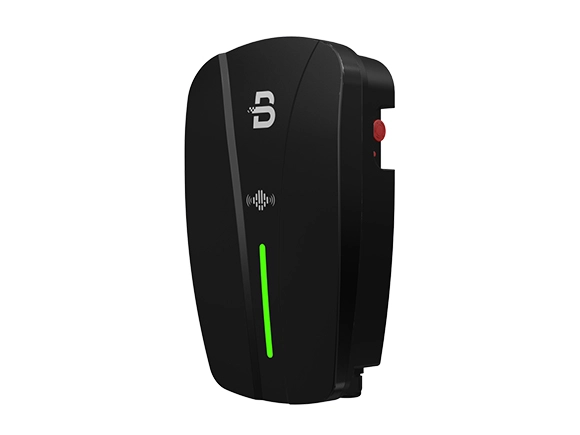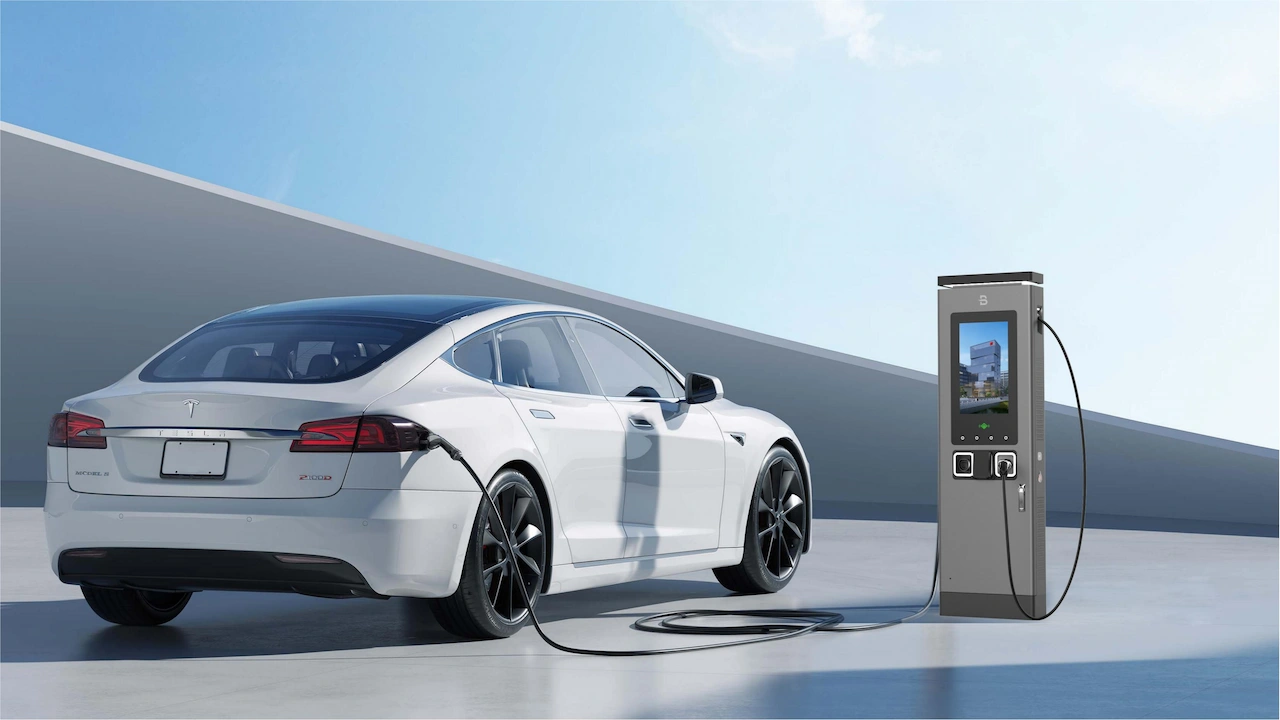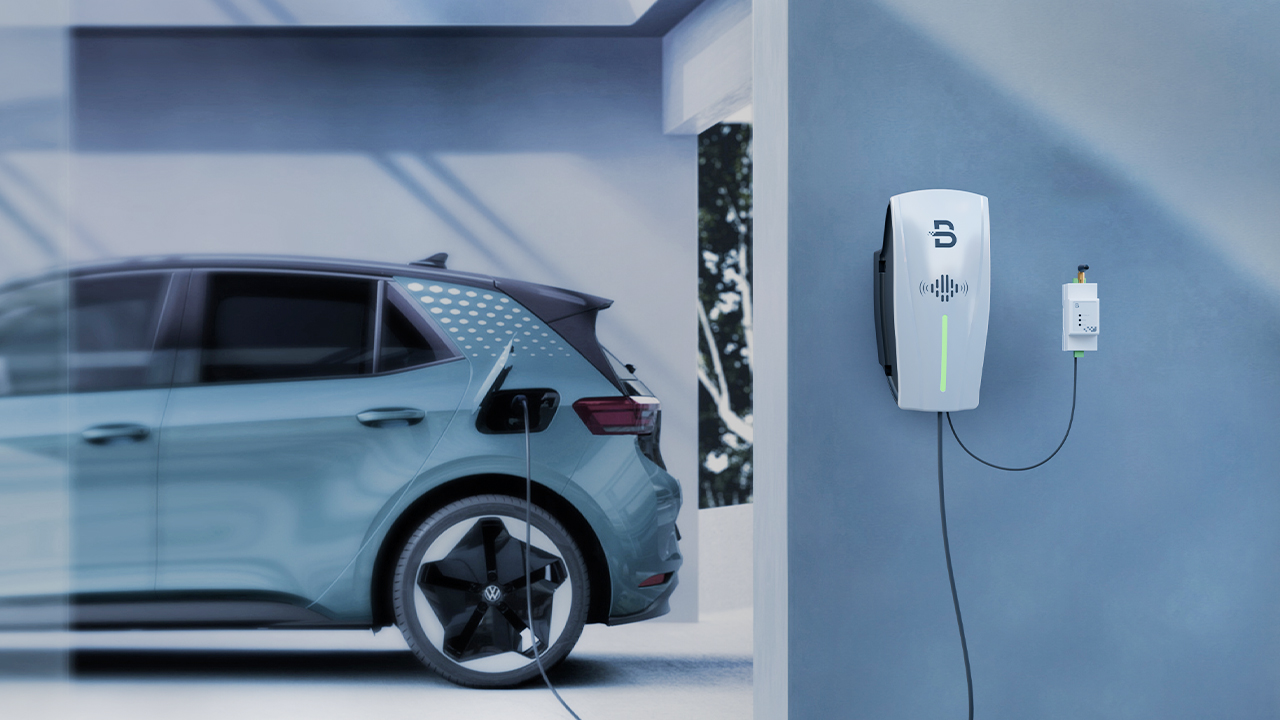












Charge your electric vehicle at home with EVB residential EV charging solutions designed for daily convenience, smart energy management, and reliable home charging. From wall-mounted AC chargers and portable EV chargers to outdoor residential EV chargers and DLB-ready charging options, EVB helps homeowners, apartments, and residential properties build a safer, smarter, and more efficient home EV charging setup.
Home EV charging gives drivers the convenience of charging where they live. Instead of relying only on public charging stations, homeowners and residential properties can use a dedicated home EV charger to support daily commuting, overnight charging, and better control over charging time and household energy use.

Charge your EV at home overnight or whenever the vehicle is parked.

Reduce dependence on public charging
availability.

Schedule charging during lower-rate periods where available.

Make homes, apartments, and residential parking areas more EV-ready.
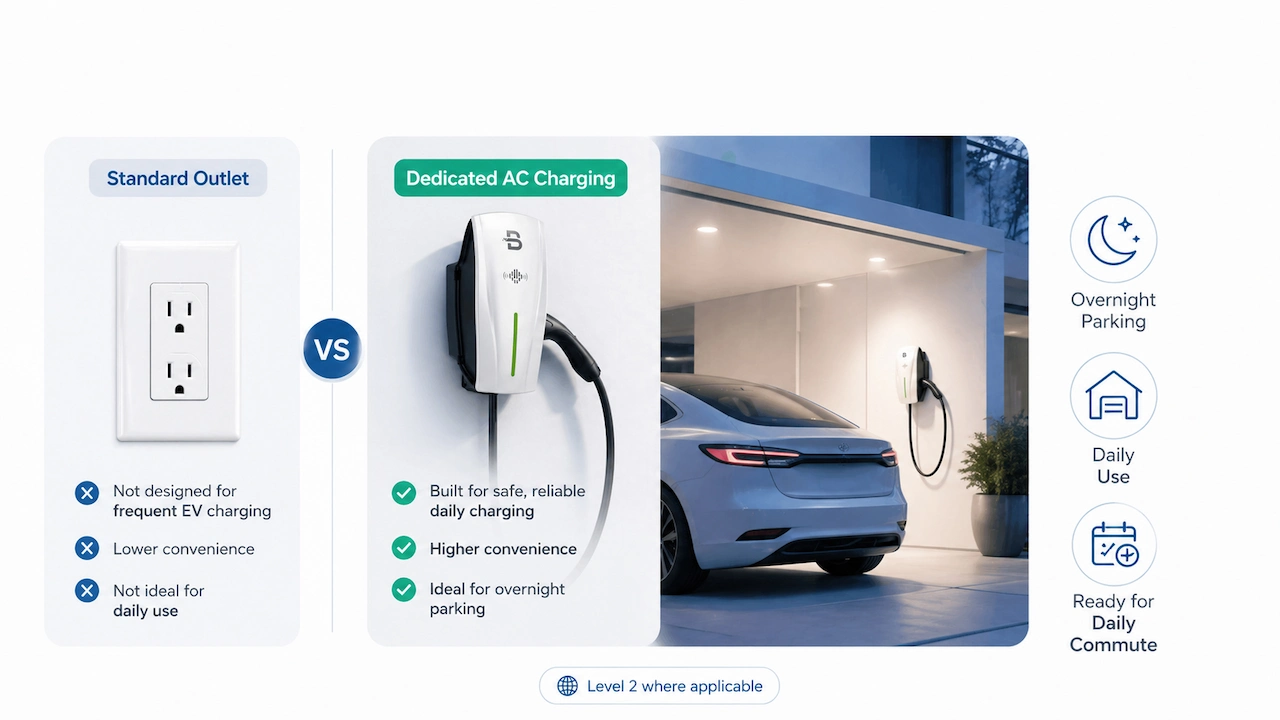
For most residential charging needs, an AC home EV charger provides a practical balance of charging speed, installation flexibility, and daily convenience. Compared with a standard household outlet, a dedicated home EV charger can support more stable and efficient charging for overnight parking, daily commuting, and fixed residential spaces. In markets such as North America, this type of AC charging is often referred to as Level 2 home EV charging.
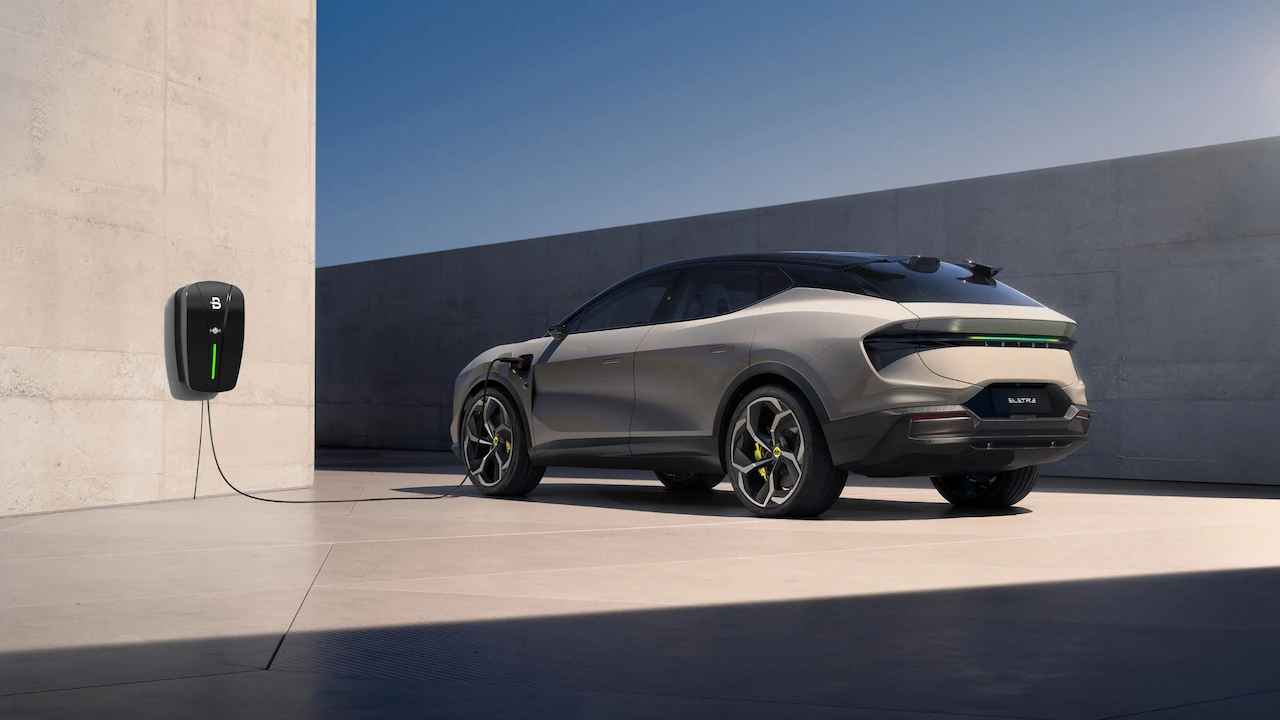
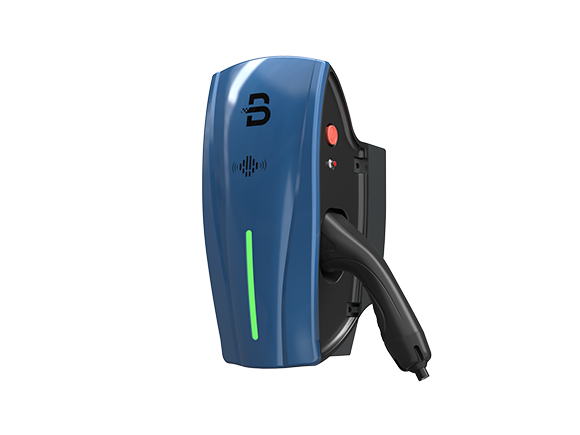
Different homes need different charging setups. A wall-mounted home EV charger is suitable for fixed parking spaces and regular daily charging, while a portable EV charger can offer greater flexibility for users who need a movable charging option. Outdoor residential EV chargers are suitable for driveways and exposed parking areas, while smart AC chargers can support app control, scheduling, and load management where configured.
Best for fixed parking spaces, garages, and daily home charging.
Šķiet, ka mēs nevaram atrast to, ko jūs meklējat.
Best for app control, charging schedules, and supported load management functions.
Šķiet, ka mēs nevaram atrast to, ko jūs meklējat.
Best for flexible use, temporary charging needs, or secondary charging locations.
Šķiet, ka mēs nevaram atrast to, ko jūs meklējat.
Best for driveways, outdoor parking spaces, and weather-exposed installations.
Šķiet, ka mēs nevaram atrast to, ko jūs meklējat.
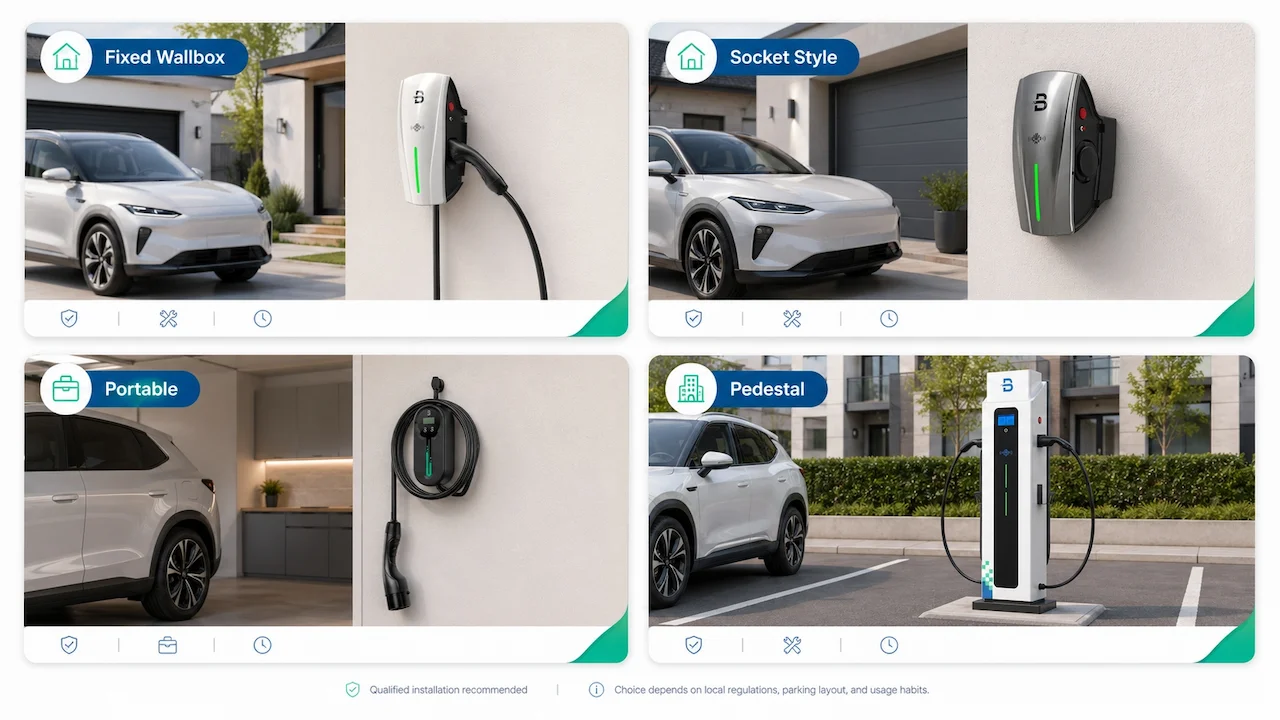
Residential charging setups may use different installation formats depending on local electrical rules, parking layout, and user habits. A fixed wallbox charger is suitable for regular home charging at a dedicated parking space, while socket-style or portable charging options may provide more flexibility where allowed. The final setup should always follow local electrical regulations and be assessed by qualified professionals.
Best for daily charging at a dedicated parking space.
Suitable where socket-based installation is allowed and properly protected.
Useful for flexible or temporary charging needs.
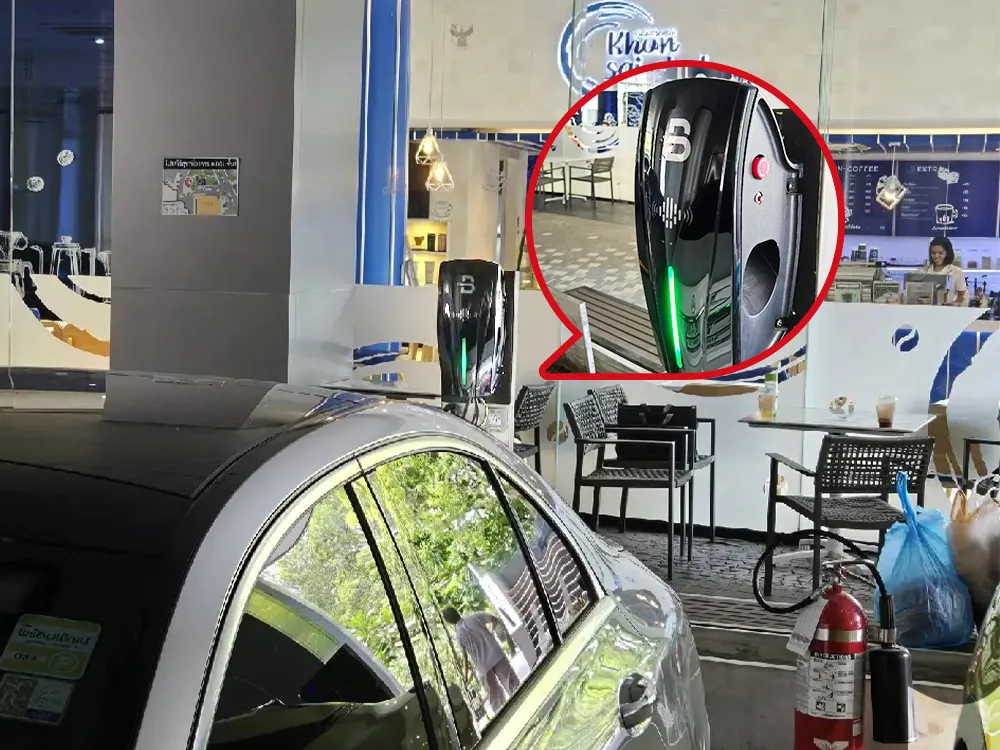
Suitable for driveways, open parking spaces, or shared residential parking areas.
| User Need | Recommended Option | Key Feature |
|---|---|---|
| Daily home charging | Maiņstrāvas sienas lādētājs | Stable fixed charging |
| Flexible or temporary use | Portable EV charger | Movable charging option |
| Outdoor driveway | Outdoor-rated residential charger | Weather-resistant installation |
| Smart scheduling | Smart AC charger | App and charging schedule |
| Household load limits | DLB-ready charger | Dynamic current adjustment |
| Solar PV home | PV DLB / solar-compatible option | Solar-priority charging |
| Apartment/shared parking | Managed AC charging setup | Access control and records |
| Future multiple EVs | Scalable residential setup | Planning for expansion |
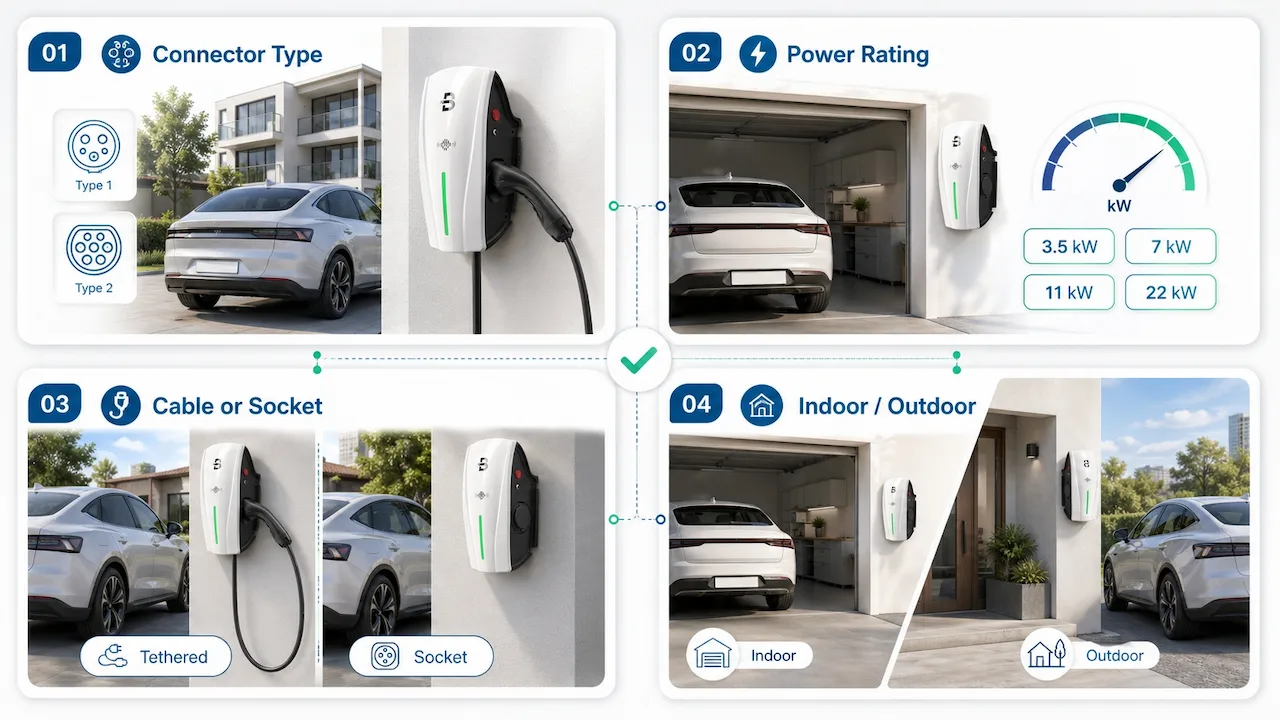
A suitable home EV charger should match the vehicle, local charging standard, parking setup, and preferred installation format. EVB residential EV chargers can be selected based on connector type, power rating, cable or socket configuration, indoor or outdoor use, and smart charging requirements. This helps homeowners and residential properties choose a charger that fits both current vehicles and future charging needs.
Savienotāja tips
Match local EV charging standards and vehicle requirements.
Power Rating
Choose suitable AC charging power based on electrical capacity and daily use.
Cable or Socket Design
Select tethered cable or socket-style charging where available.
Indoor or Outdoor Use
Choose a charger suitable for garage, driveway, or exposed parking areas.
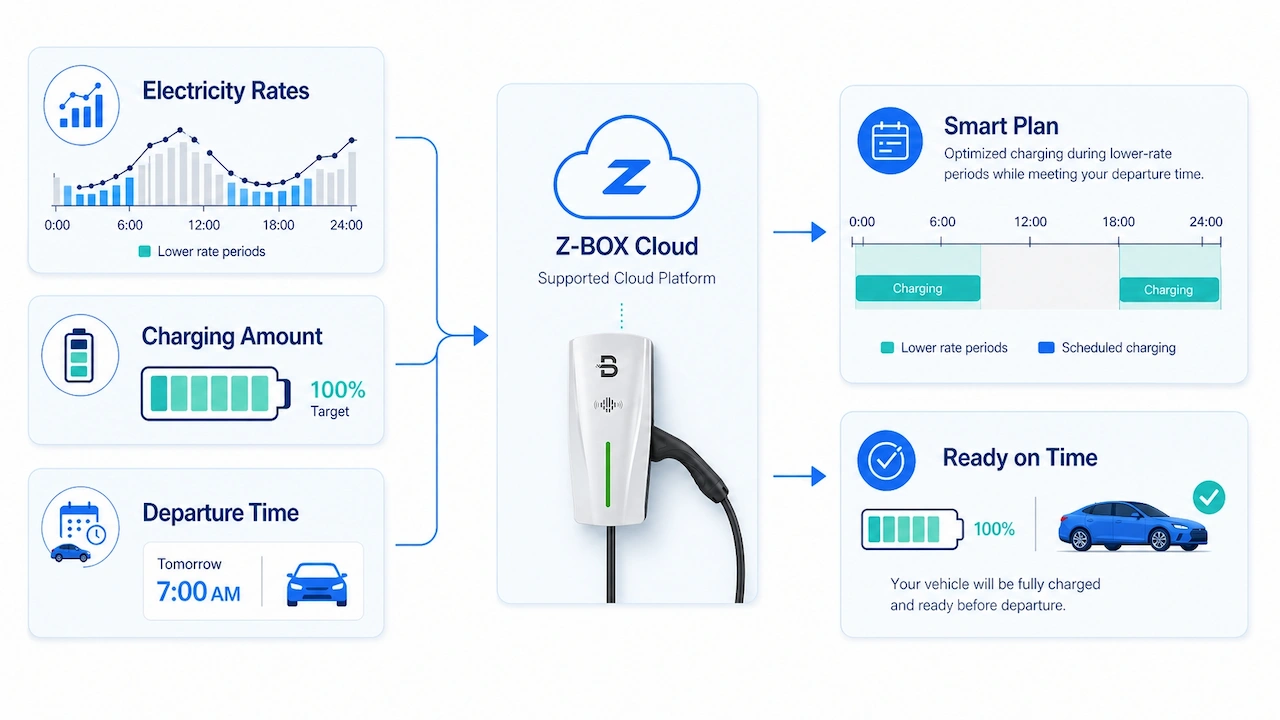
EVB residential EV chargers support smart charging features that help users monitor charging status, schedule charging time, and manage daily charging activity through a smart app and supported cloud platform where configured. Where electricity price data is available, the system can help generate a smarter charging plan based on the user’s desired charging amount and planned vehicle use time.
View charging status through the smart app where supported.
Set charging times based on daily routine or lower-rate electricity periods where available.
Use available electricity price information to support smarter charging planning.
Track charging activity and energy use.
Manage charging more easily from home or remotely.
Where time-of-use electricity pricing is available, EVB smart charging can help users plan charging sessions around lower-rate periods. By combining electricity price information, desired charging amount, and planned vehicle departure time, the system can generate a more cost-effective charging schedule through the charger and supported cloud platform. This helps homeowners charge more intelligently while maintaining daily driving readiness.
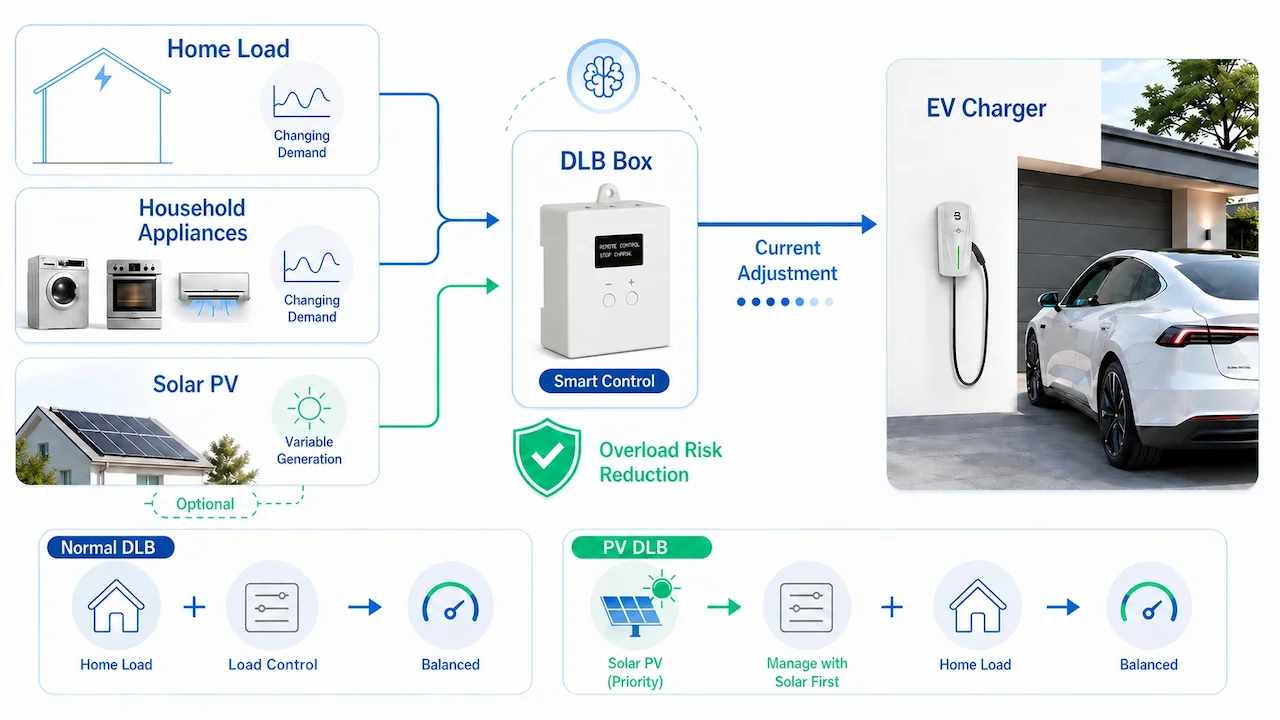
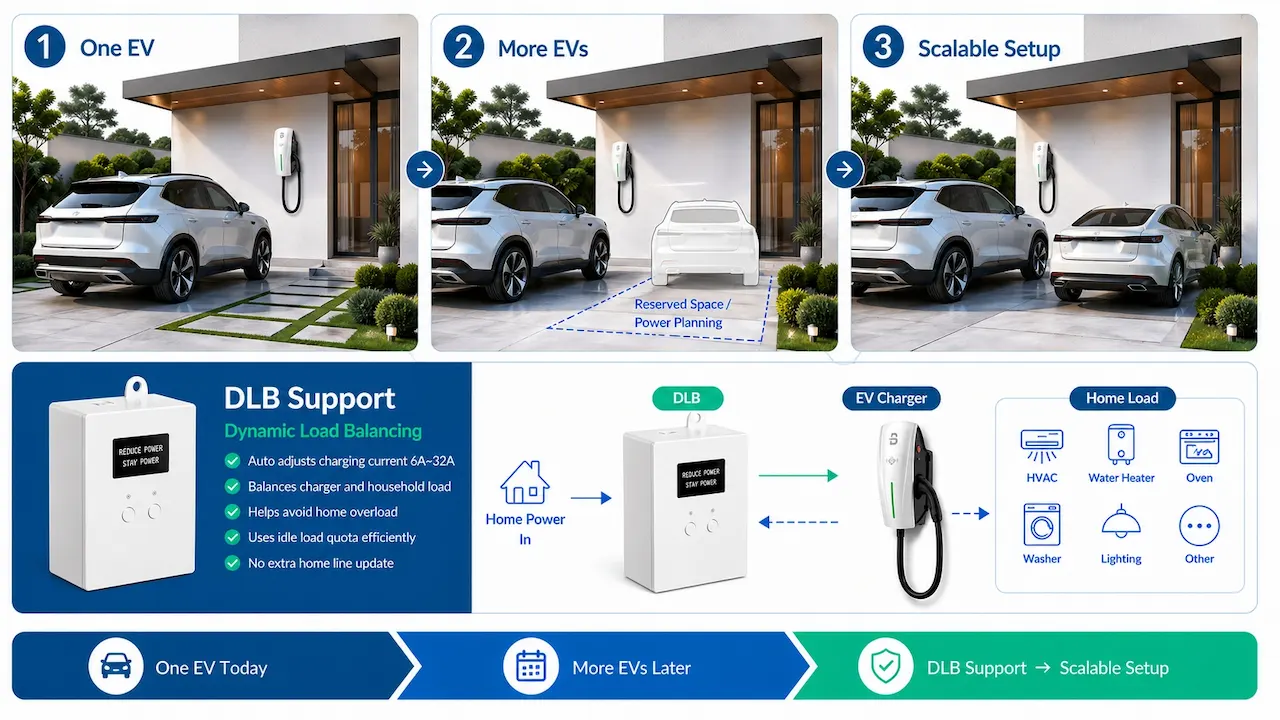
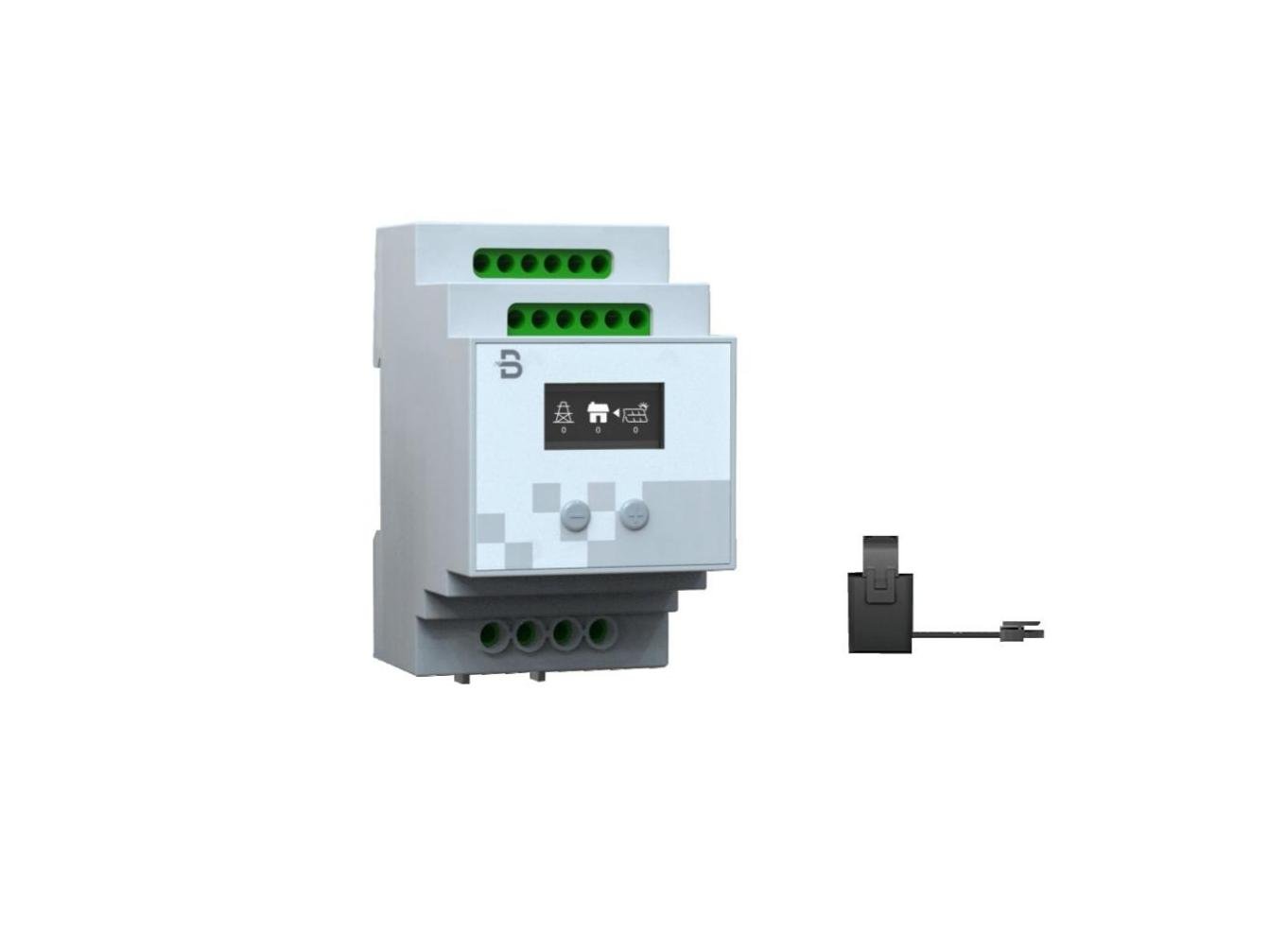
When an EV charger operates together with household appliances, the total home electrical load can increase quickly. EVB Dynamic Load Balancing helps monitor available household power and automatically adjusts the charging current based on remaining load capacity. For homes with solar PV systems, PV DLB can support solar-priority EV charging where system conditions allow.
Monitor available household power during EV charging.
Automatically adjust charging current based on remaining load capacity.
Help reduce overload risk when household appliances and EV chargers operate together.
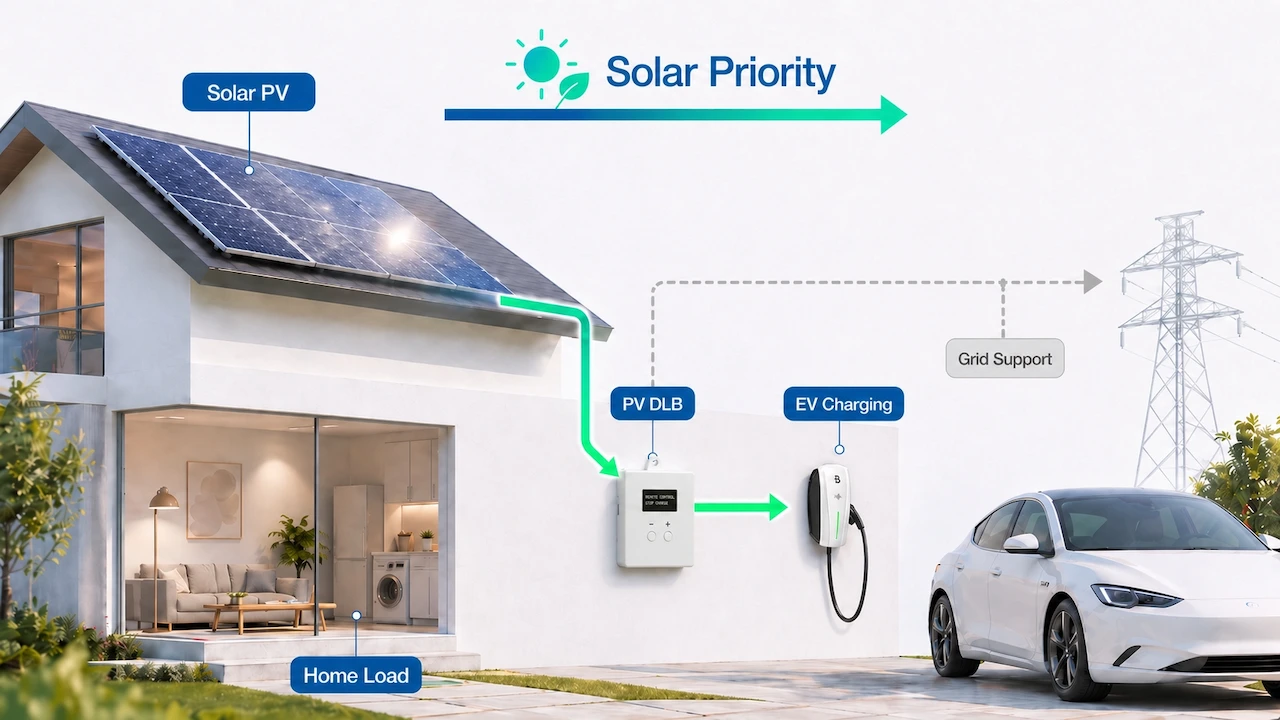
Use PV DLB to support solar-priority charging where available.
Balance household power consumption and reduce overload risk during EV charging.
Prioritize solar PV power for EV charging where system configuration supports it.
For homes with solar PV systems, smart residential EV charging can help make better use of available solar energy. With PV DLB and solar-compatible charging, the charger can support solar-priority charging where system conditions allow, helping homeowners reduce grid dependence and use more renewable energy for daily EV charging.
Solar-Priority Charging
Use PV power for EV charging where supported.
Reduce Grid Dependence
Use more on-site renewable energy.
PV DLB Coordination
Balance EV charging with solar generation and household load.
Future Energy Ready
Prepare the home for more integrated energy use.
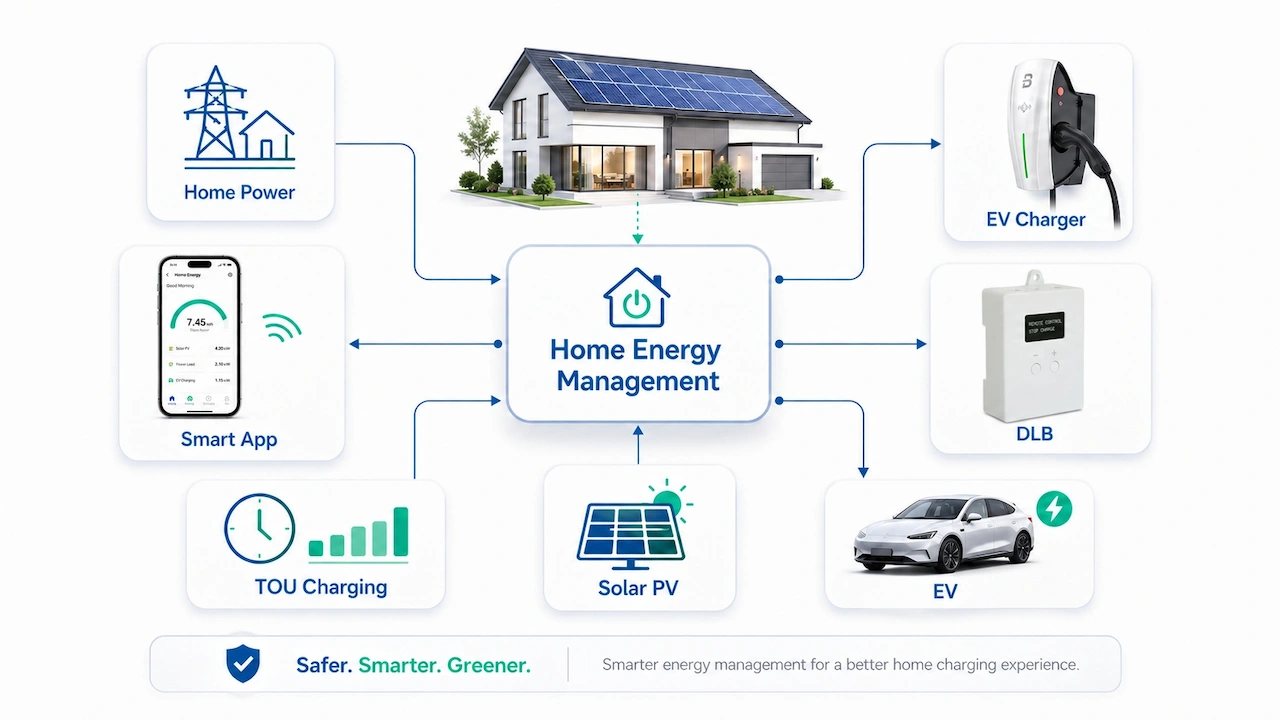
EVB helps homeowners improve smart energy consumption control by coordinating EV chargers with household energy use. With smart management, Dynamic Load Balancing, time-of-use charging, and solar-compatible charging, residential users can build a safer and more efficient home charging environment.
Main electricity source for household charging.
AC or portable charger for daily charging.
Automatically adjusts charging current based on available household load.
Monitor status, schedule charging, and manage supported DLB modes.
Plan charging around lower-rate periods where electricity pricing data is available.
Support cleaner home energy use and PV-priority charging where available.
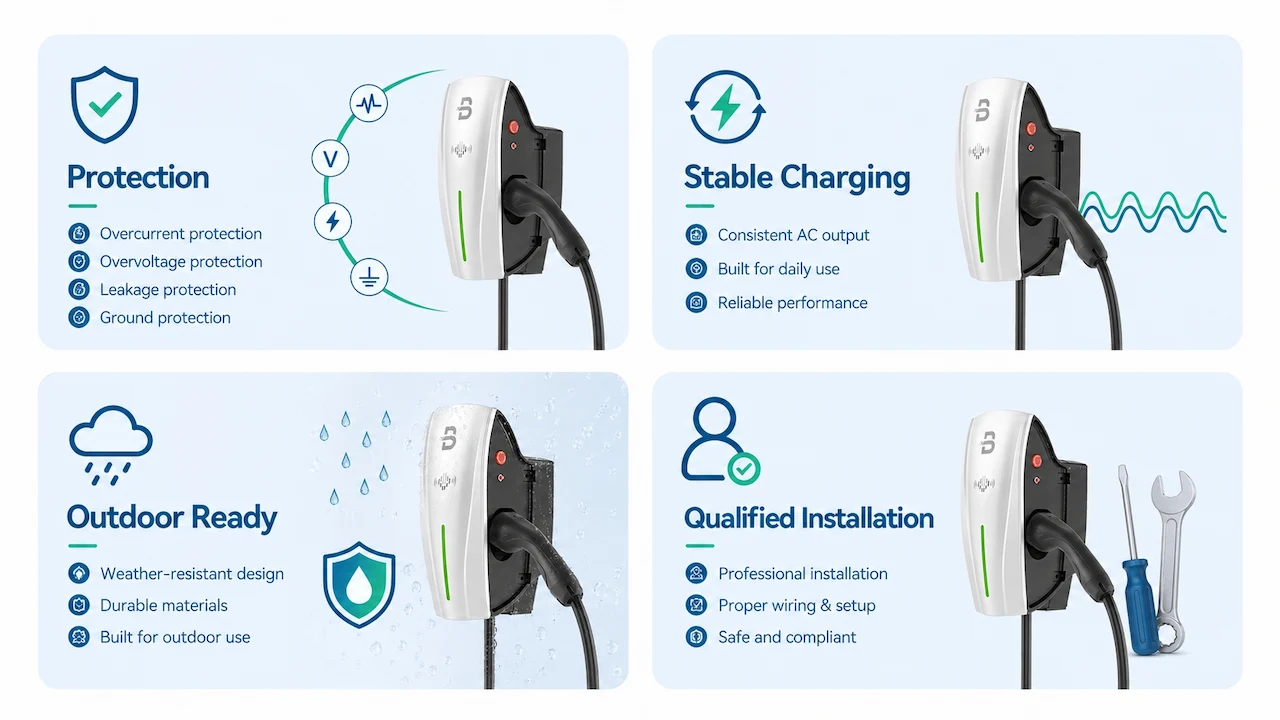
Home EV charging requires equipment designed for long-term daily use. EVB residential EV chargers are designed with safety protection, stable AC charging performance, and installation flexibility for residential environments. For outdoor or exposed parking areas, users should choose chargers with suitable environmental protection and follow local installation requirements.
Support safe charging in residential use.
Designed for regular home charging.
Choose suitable protection for exposed parking areas.
Follow local electrical requirements.
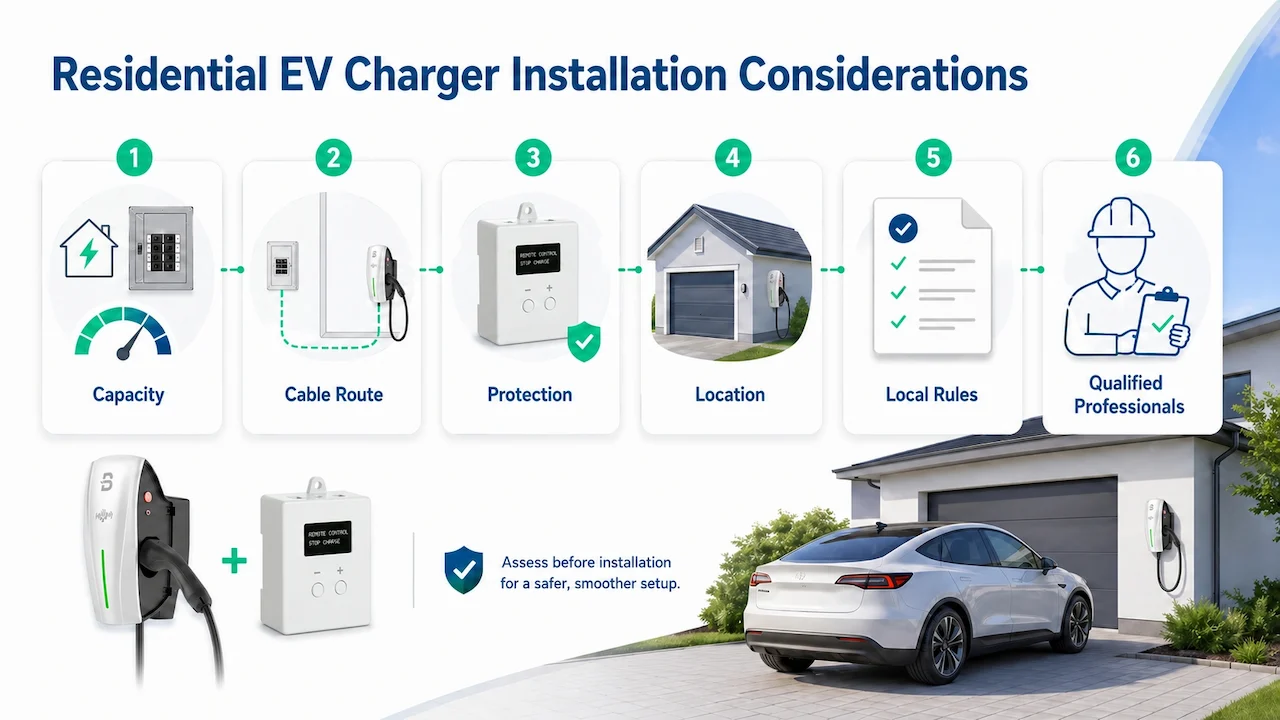
Residential EV charger installation should be planned carefully. Before installing a home EV charger, users should review power capacity, cable routing, protection requirements, indoor or outdoor placement, and local electrical regulations. EVB recommends that electrical assessment and installation be carried out by qualified professionals according to local requirements.
Check whether the home power supply can support the selected charger.
Choose a charger and location suitable for the installation environment.
Use chargers with appropriate safety protections for residential use.
Follow local regulations and work with qualified professionals where required.
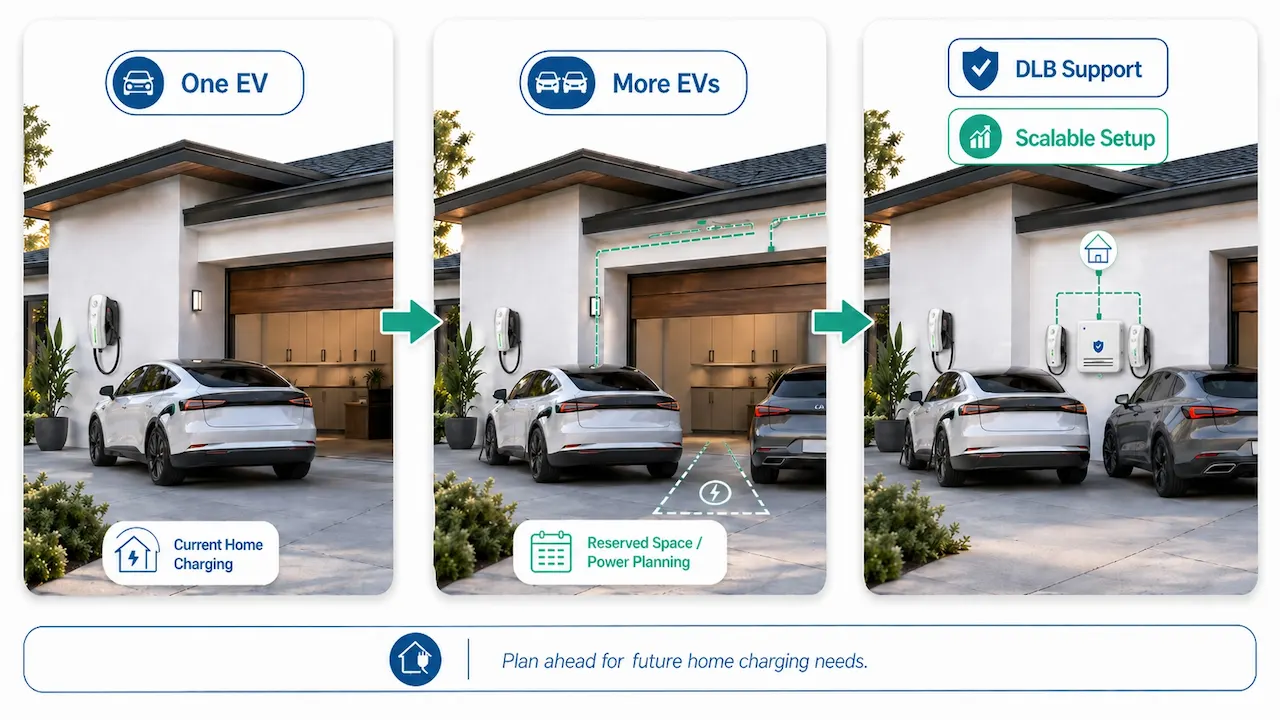
As more households add a second electric vehicle, residential charging needs may change. EVB can help users plan charging for one or more EVs by considering available household power, charger placement, Dynamic Load Balancing needs, and future expansion. This helps make the home charging setup more practical for long-term EV adoption.
Designed for daily residential charging in garages, driveways, and fixed parking spaces.
抱歉,当前分类下没有内容.
Designed for flexible charging and movable use.
抱歉,当前分类下没有内容.
Designed for app control, connectivity, and smarter operation where supported.
抱歉,当前分类下没有内容.
Designed for homes that need Dynamic Load Balancing, PV DLB, solar compatibility, time-of-use charging, or future energy coordination.
EVB offers residential EV charger options for different home charging needs, including wall-mounted AC chargers, portable EV chargers, smart AC charging stations, and DLB-ready or solar-compatible residential charging solutions. Customers can choose products based on charging speed, installation location, connectivity, safety requirements, and future energy management needs.
Designed for daily residential charging in garages, driveways, and fixed parking spaces.
Designed for flexible charging and movable use.
Designed for app control, connectivity, and smarter operation where supported.
Designed for homes that need Dynamic Load Balancing, PV DLB, solar compatibility, time-of-use charging, or future energy coordination.
EVB piedāvā EV līdzstrāvas uzlādes stacijas, kas atbilst globālajiem standartiem, nodrošinot, ka jūsu uzlādes infrastruktūra ir gan uzticama, gan atbilstoša, tādējādi palīdzot jums veidot ilgstošu klientu uzticību ar mūsu ekspertu atbalstu un augstas kvalitātes risinājumiem.


No Eiropas līdz Austrālijai EVB uzlādes projekti parāda, kā viesnīcas un viesmīlības iestādes var uzlabot ērtības, atbalstīt elektromobilitāti un palielināt objekta vērtību, praktiski izvietojot uzlādes ierīces.
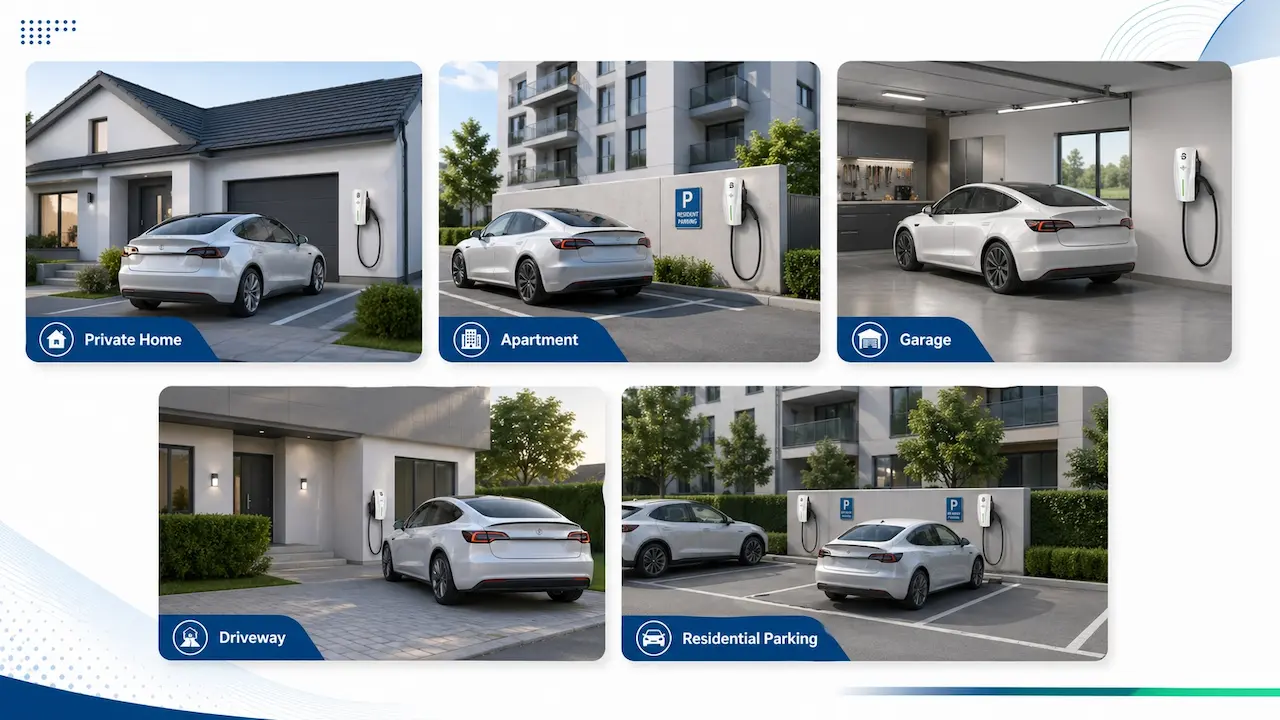
Before choosing a home EV charger or residential charging station, users should review several key factors: parking location, available electrical capacity, desired charging speed, indoor or outdoor installation, smart app requirements, Dynamic Load Balancing needs, solar compatibility, time-of-use charging availability, and future EV charging needs.
Garage, driveway, apartment parking, or shared residential parking?
Can the home electrical system support the selected charger?
Is standard AC charging enough for the user’s daily routine?
Which connector type, cable, or socket format is suitable?
Will the charger be exposed to weather conditions?
Is app control, scheduling, or usage data needed?
Is load balancing needed to manage household power demand?
Is electricity price data available for smart charging planning?
Should the charger work with a solar PV system?
Will the household add more EVs later?
Optimizējiet uzlādi ar EVB — līderiem dzīvokļu un privātmāju elektroauto uzlādes staciju jomā. Mūsu “plug-and-play” sistēma nodrošina vienkāršību, savukārt mūsu viedā lietotne nodrošina netraucētu pārvaldību un izsekošanu.
Elektromobilitātes laikmetā pieaug arī cilvēku pieprasījums pēc efektīvām un praktiskām dzīvojamo māju elektrotransportlīdzekļu uzlādes stacijām. Mēs piedāvājam pilnu risinājumu klāstu dzīvojamo māju uzlādes stacijām, tostarp aparatūras izvēli, uzstādīšanu un viedās funkcijas.
Mūsu dzīvojamo māju elektroautomobiļu uzlādes iekārta ar dinamisko slodzes balansēšanu optimizē enerģijas patēriņu un nemanāmi integrējas ar saules fotoelektriskajām sistēmām, nodrošinot rentablus uzlādes pakalpojumus.
EVB sertificētās mājsaimniecībām paredzētās elektroautomobiļu uzlādes iekārtas tiek regulāri pārbaudītas un atbilst mainīgajiem standartiem, vienlaikus tās ir aprīkotas ar vairākām aizsardzības funkcijām, lai nodrošinātu drošību.
Vienkāršojot rēķinu izrakstīšanas un maksājumu procedūras, programmatūra nodrošina vienmērīgu darījumu pieredzi uzlādes staciju īpašniekiem, operatoriem un lietotājiem.
Mēs pilnvarojam sertificētu elektriķi novērtēt, uzlabot jaudas jaudu un nodrošināt drošu uzstādīšanu saskaņā ar vietējiem noteikumiem.
Piekļūstiet uzlādes datiem, izmantojot mūsu viedlietotni savā tālrunī, un izmantojiet tās viedās funkcijas, piemēram, attālinātu uzlādes uzraudzību un kontroli, lai ieplānotu uzlādes laiku un piekļūtu lietošanas datiem.
Mūsu mājas elektroauto lādētāji ir ne tikai praktiski, bet arī ar stilīgu dizainu un regulējamiem jaudas līmeņiem.
Mūsu dzīvojamo māju elektroautomobiļu uzlādes ierīce palīdz uzlādēt transportlīdzekļus nakts laikā un izmantot atlaides elektroenerģijas tarifiem ārpus pīķa stundām, lai ietaupītu naudu.
Izcila uzlādes uzticamība tiek panākta, ieviešot vairākus aizsardzības mehānismus, tostarp aizsardzību pret noplūdi un pārkaršanu.
Iepazīstieties ar EVB BCPCM-C2N-P 3. režīma EV lādētāju ar 2. tipa 3. režīma uzlādes kabeli. Šis divu kabeļu lādētājs atbilst IEC 61851-21-2 standartam un atbalsta OCPP nemanāmai integrācijai. Ideāli piemērots efektīviem un uzticamiem EV uzlādes risinājumiem.

Viedais maiņstrāvas elektroautomobiļu lādētājs ar divkāršu 2. tipa EV uzlādes kontaktligzdu, stiprināms pie sienas vai staba, darbojas 3 fāžu režīmā ar jaudu 22 kW. Darbojas -25 ~ 55 ℃ temperatūrā un ir sertificēts ar CE, CB un RCM, ar LCD ekrānu un IP55 aizsardzības pakāpi.
Aprīkots ar pilnu aizsardzības funkciju un IP55 aizsardzības līmeni, EVB sienas stiprināmais līdzstrāvas EV lādētājs piedāvā 60 kW izejas jaudu, lai atbalstītu dažādas gan mājas, gan komerciālās uzlādes prasības.
EVB EV lādētājs uzņēmumiem ir 3. režīma maiņstrāvas EV lādētājs, kas ir izstrādāts saskaņā ar IEC 61851-21-2 standartu, to var piestiprināt pie sienas, kā arī uzstādīt uz pjedestāla.
EVB pārnēsājamais EV lādētājs ir ērts, pārnēsājams un vienkārši pievienojams un lietojams veids, kā uzlādēt savu elektroautomobiļa uzlādi.
Maiņstrāvas elektroautomobiļu lādētājs ar 2. tipa elektroautomobiļu uzlādes kontaktligzdu, stiprināms pie sienas vai staba, darbojas 1 fāzes vai 3 fāžu režīmā, piemēram, 230 V vai 400 V, 6 A vai 32 A. Darbojas temperatūrā no -25 ℃ līdz 55 ℃ un ir sertificēts ar CE, CB un RCM, ar IP65 un V0 ugunsdrošības korpusiem.
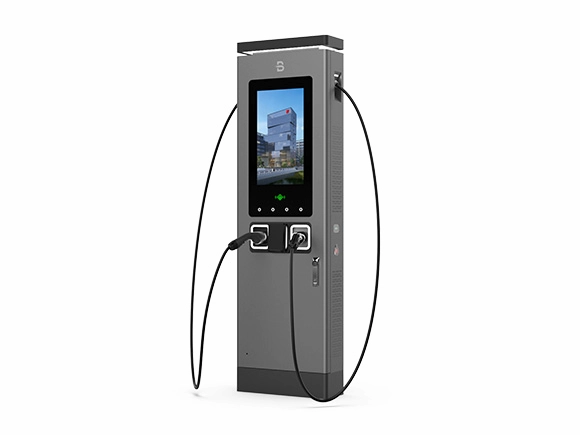
EVB 3. modeļa uz grīdas montējamais maiņstrāvas EV lādētājs ir aprīkots ar 21 collas skārienekrānu intuitīvai cilvēka un mašīnas mijiedarbībai. Atbalstot OCPP platformas, tas piedāvā augstu saderību un pielāgojamību, nodrošinot lietotājiem inteliģentu uzlādes risinājumu.
EVB — otrās paaudzes OCPP pieslēgts maiņstrāvas EV lādētājs ar 2. tipa kabeli, stiprināms pie sienas vai staba, darbojas 1 fāzes vai 3 fāžu režīmā, piemēram, ar 230 V vai 400 V spriegumu, 6 A vai 32 A strāvu. Darbojas -25–55 °C temperatūrā un ir CE, CB sertificēts, ar IP65 un V0 ugunsdrošības korpusiem.

Uzlabojiet savu uzlādes pieredzi ar EVB grīdas montējamo maiņstrāvas EV uzlādes ierīci ar POS funkciju. Izbaudiet ērtu mijiedarbību ar tā 7,0 collu skārienekrāna saskarni. Pārvaldiet savu uzlādes ierīci, izmantojot viedlietotni un dažādas savienojamības iespējas.
EVB BYAIO sērija izmanto litija dzelzs fosfāta (LFP) akumulatorus, kas ir droši, ilgstoši, efektīvi un ar augstu jaudas blīvumu. Sāciet iepirkties jau šodien!
EVB augstsprieguma plauktā montējama uzglabāšanas sistēma, kas piedāvā divus režīmus un ir aprīkota ar LiFePO4 akumulatoriem. Ar IP54 izturības vērtējumu tā ir ideāli piemērota dzīvojamām telpām. Sāciet iepirkties jau šodien!
Atklājiet EVB augstsprieguma akumulatoru uzglabāšanas sistēmas ar diviem sakraušanas režīmiem un LifePO4 akumulatoriem. IP54 aizsardzības klase nodrošina izturību, ideāli piemērota lietošanai dzīvojamās telpās. Iepērcieties jau šodien!
BENY neatkarīgi izstrādāja un projektēja dzīvojamo ēku LFP enerģijas uzkrāšanas bloku. To plaši izmanto enerģijas uzkrāšanas jomā ar tīkla invertoriem, bezsaistes invertoriem un hibrīdajiem invertoriem.
BENY neatkarīgi izstrādāja un projektēja dzīvojamo māju LFP enerģijas uzkrāšanas bloku. To plaši izmanto enerģijas uzkrāšanas jomā ar tīkla invertoriem, ārpus tīkla invertoriem un hibrīdajiem invertoriem.
BENY neatkarīgi izstrādāja un projektēja dzīvojamo ēku LFP enerģijas uzkrāšanas bloku. To plaši izmanto enerģijas uzkrāšanas jomā ar tīkla invertoriem, bezsaistes invertoriem un hibrīdajiem invertoriem.
Enerģijas pārvaldības sistēma ir īpaši izstrādāta inteliģentai enerģijas pārvaldībai. Šī sistēma ir piemērota integrācijai ar mājas tīkliem, kas aprīkoti ar fotoelektriskajām enerģijas sistēmām, kuras sastāv no BEMS mērīšanas ierīcēm un BEMC vadības ierīcēm.
Uzlabojiet savu uzlādes pieredzi ar EVB grīdas montējamo maiņstrāvas EV lādētāju, ko apstiprinājušas CE un UKCA un kam ir T2S kontaktligzdas opcija. Izbaudiet ērtu mijiedarbību ar tā 5,0 collu skārienekrāna saskarni. Pārvaldiet savu lādētāju, izmantojot viedlietotni un dažādas savienojamības iespējas.
Uzlabojiet savu uzlādes pieredzi ar EVB grīdas montējamo maiņstrāvas EV lādētāju. Izbaudiet ērtu mijiedarbību ar tā 5,0 collu skārienekrāna saskarni. Pārvaldiet savu lādētāju, izmantojot viedlietotni un dažādas savienojamības iespējas.
Maiņstrāvas elektroautomobiļu lādētājs ar 2. tipa kabeli, stiprināms pie sienas vai staba, darbojas 1 fāzes vai 3 fāžu režīmā, piemēram, 230 V vai 400 V, 6 A vai 32 A. Darbojas -25–55 ℃ temperatūrā un ir sertificēts ar CE, CB un RCM, ar IP65 un V0 ugunsdrošības korpusiem.
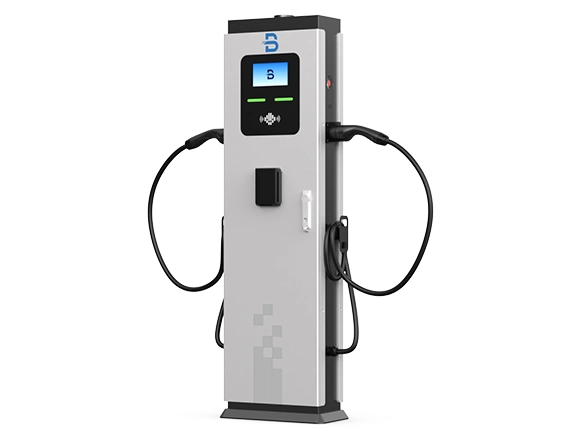
Maiņstrāvas elektroautomobiļu lādētājs ar 2. tipa kontaktligzdu, stiprināms pie sienas vai staba, darbojas 1 fāzes vai 3 fāžu režīmā, piemēram, 230 V vai 400 V, 6 A vai 32 A. Darbojas -25–55 ℃ temperatūrā un ir sertificēts ar CE, CB un RCM, ar IP55 un V0 ugunsdrošības korpusiem.
IP54 3,7 kW 2. līmeņa pārnēsājamais elektroautomobiļa lādētājs nodrošina jūsu elektroautomobiļa drošību kustībā. Izmantojot tikai mājas barošanas avotu, jūs varat uzlādēt savu elektroautomobiļa lādētāju pat bez uzlādes stacijas tuvumā.
IP66 3,7 kW 2. līmeņa pārnēsājamais elektroautomobiļa lādētājs nodrošina jūsu elektroautomobiļa drošību kustībā. Izmantojot tikai mājas barošanas avotu, jūs varat uzlādēt savu elektroautomobiļa lādētāju pat bez uzlādes stacijas tuvumā.
Visiem mūsu lādētājiem ir 3 gadu garantija, kas ietver attālinātu un uz vietas veicamu apkopi.
Jums tiek piešķirts specializēts klientu menedžeris, kurš jūs informēs par visu ražošanas procesu.
Sertificēti tehniķi uzstāda jūsu mājas uzlādes punktus, sniedzot jums pārliecību, ka tie darbosies, kā paredzēts.
Pieredzējusi atbalsta komanda vienmēr ir pieejama, lai risinātu klientu problēmas pa tālruni 24 stundas diennaktī, 7 dienas nedēļā.
Mūža bezvadu programmatūras atjauninājumi jūsu uzlādes punktiem nodrošina to pastāvīgu optimizāciju.
Sākot ar konsultācijām un beidzot ar pēcpārdošanas pakalpojumiem, mēs esam apņēmušies sniegt jums izcilu apkalpošanas līmeni.
We have compiled a list of frequently asked questions (and answers) about AC residential EV charging solution for your reference.
The best EV charger for home use depends on parking location, electrical capacity, charging speed requirements, indoor or outdoor installation, and smart control needs. Wall-mounted AC chargers are commonly used for regular home charging, while portable EV chargers offer more flexibility.
In markets such as North America, Level 2 home EV charging usually refers to dedicated AC charging equipment that charges faster than a standard household outlet. The actual charging speed depends on local voltage, charger power rating, and vehicle acceptance capacity.
Home EV charger installation depends on electrical capacity, local regulations, installation location, and protection requirements. EVB recommends working with qualified professionals for assessment and installation according to local requirements.
Home EV charger installation cost can vary by country, electrical capacity, cable routing, installation complexity, and local code requirements. Users should assess site conditions before choosing a charger.
Where time-of-use electricity pricing and cloud connectivity are supported, EVB smart charging can help users plan charging around lower-rate periods. The charging schedule can be generated based on electricity price information, desired charging amount, and planned vehicle use time. Availability may vary by market, charger model, and system configuration.
Dynamic Load Balancing helps adjust EV charging current according to available household electrical load. When other household appliances are using power, the charger can reduce charging current to help avoid overload. When more power is available, charging current can increase within the supported range.
Normal DLB is used to balance household power consumption during EV charging and reduce overload risk. PV DLB is designed for homes with solar PV systems and can help prioritize solar power for EV charging where the system configuration supports it.
Dynamic Load Balancing can help make better use of existing household power capacity by adjusting charging current according to available load. However, whether an electrical upgrade is needed depends on the home’s electrical system, charger power, local regulations, and installation assessment.
Yes, outdoor residential EV chargers can be used in driveways or exposed parking areas when the charger is properly rated for outdoor installation and installed according to local requirements.
EVB residential EV chargers can support solar-compatible charging strategies, PV DLB, and Dynamic Load Balancing where site conditions and system configuration allow.
Users should check parking location, electrical capacity, connector type, installation format, smart app requirements, DLB needs, solar compatibility, and future EV charging plans.
Portable EV chargers can be useful for flexible or temporary charging needs, but fixed wall-mounted chargers are often preferred for regular daily home charging.
pievienojieties panākumiem
Tell us about your parking location, power conditions, charging needs, DLB requirements, time-of-use charging needs, solar compatibility needs, and preferred installation type. EVB will help you choose a suitable home EV charger or residential EV charging station for your project.
No konsultācijas līdz uzstādīšanai, mūsu ekspertu komanda nodrošina visaptverošu elektroautomobiļu uzlādes risinājumu, kas pielāgots jūsu vajadzībām.
Autortiesības © 2026, EVB. Visas tiesības aizsargātas. Darbojas ar beny.