
































 EN
EN  PT
PT  UZ
UZ  FR
FR  DE
DE  IT
IT  RU
RU  ES
ES  HE
HE  AR
AR  RO
RO  HI
HI  JA
JA  KO
KO  TR
TR  NL
NL  PL
PL  VI
VI  TH
TH  ML
ML  UK
UK  CS
CS  DA
DA  SV
SV  FI
FI  LV
LV  BG
BG  HU
HU  EL
EL For U.S. EV charging projects, charger selection is not only about power level, connector type, software features, or price. Certification matters. A charger may look suitable on paper, but if it does not meet the safety, efficiency, installation, and documentation expectations of the U.S. market, the project can face delays, inspection problems, insurance concerns, rebate issues, or long-term operating risk.
This is especially important for homeowners, commercial property owners, fleet operators, charge point operators, electrical contractors, hotels, workplaces, multi-family communities, and retail sites planning to install EV charging infrastructure.
In the U.S., buyers often hear terms such as UL certified, UL Listed, ENERGY STAR certified, NEC compliant, certification by an accepted NRTL, and AHJ approval of the installation. These terms are related, but they do not mean the same thing.
This guide explains what U.S. EV charger buyers should know before choosing charging equipment, why UL and ENERGY STAR certifications matter, how NEC and local electrical code fit into the process, and how EVB supports safer and more reliable EV charging deployments with certified charging solutions.
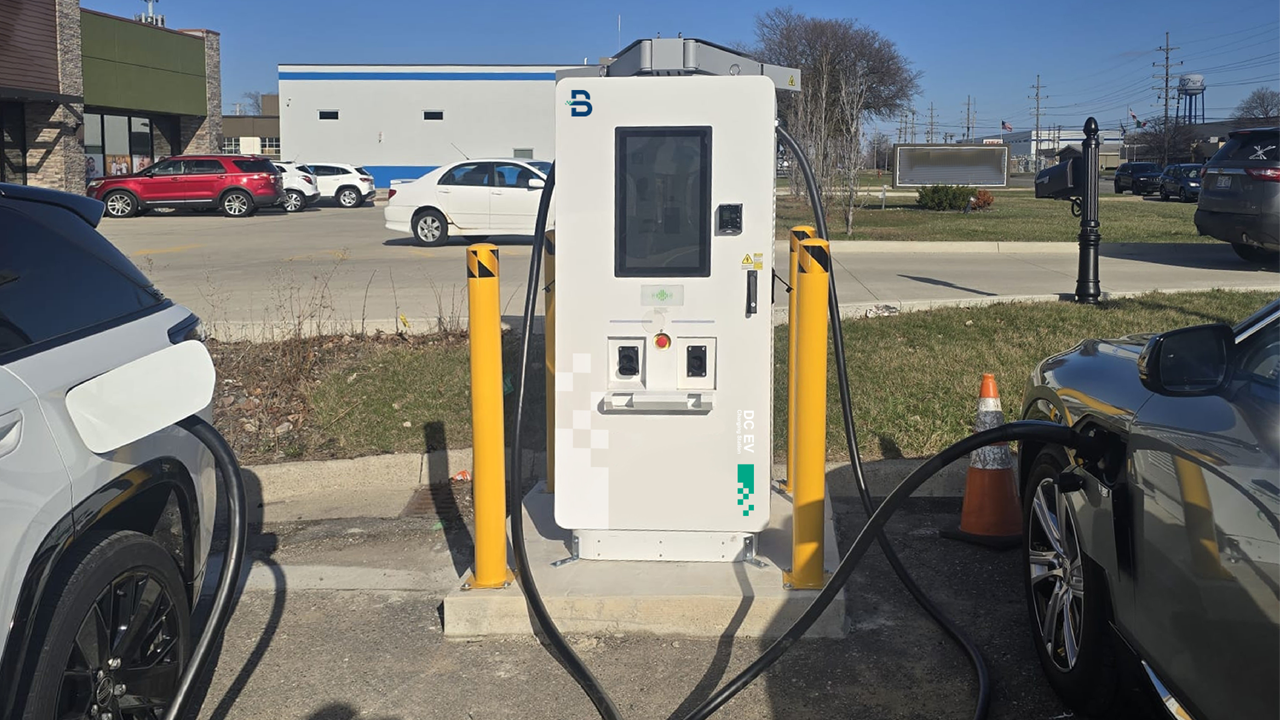
What Certifications Should U.S. EV Charger Buyers Check?
For most U.S. EV charging projects, buyers should pay attention to several layers of compliance and review:
- Product safety certification
- Energy efficiency certification
- Electrical code compliance
- Installation approval
- Utility or rebate program requirements
- Site-specific permitting
- Local authority review
- Network and payment requirements where applicable
A common mistake is assuming that one certificate solves everything.
It does not.
A UL-certified EV charger can help demonstrate product safety, but the installation still needs to follow the National Electrical Code, local permitting rules, utility requirements, and site-specific electrical design. ENERGY STAR certification can help identify efficient charging equipment, but it does not replace safety certification or electrical inspection.
Why EV Charger Certification Matters in the U.S.
EV chargers are electrical equipment that may operate for hours at a time, often outdoors, in garages, parking lots, fleet depots, workplaces, or public charging locations. They handle high current, communicate with vehicles, manage user access, and may connect to software platforms, payment systems, load management systems, or energy storage systems.
Poorly certified or poorly installed charging equipment can create several risks:
- Electrical shock risk
- Overheating risk
- Ground fault risk
- Fire risk
- Failed inspection
- Rebate ineligibility
- Insurance concern
- Utility interconnection delay
- Premature equipment failure
- Higher maintenance cost
- Poor driver experience
Certification is not just paperwork. It is one of the ways buyers, installers, inspectors, utilities, and property owners verify that charging equipment has been evaluated against recognized safety and performance expectations.
For commercial projects, this becomes even more important because the charger is part of a business asset. Downtime, failed approvals, or safety concerns can affect project ROI.
What Does UL Certification Mean for EV Chargers?
UL certification is one of the most widely recognized forms of product safety certification for electrical equipment in North America. For EV chargers, UL certification generally means that the product has been evaluated by UL Solutions against applicable safety standards. UL Solutions is also one of the Nationally Recognized Testing Laboratories recognized by OSHA.
In practical terms, UL certification helps buyers confirm that the charger has been evaluated for relevant safety requirements such as electrical protection, enclosure safety, insulation, temperature behavior, grounding, personnel protection, and safe operation under defined conditions.
Common applicable UL-related standards may include ANSI/UL 2594, ANSI/UL 2202, ANSI/UL 2231-1/-2, and ANSI/UL 2251, depending on charger type, connector design, protection system, and product configuration.
| Standard | Common Association | Buyer Note |
|---|---|---|
| ANSI/UL 2594 | Electric Vehicle Supply Equipment | Often relevant to EVSE safety evaluation, depending on product type. |
| ANSI/UL 2202 | DC charging system equipment | May be relevant for DC charging equipment configurations. |
| ANSI/UL 2231-1/-2 | Personnel protection systems for EV supply circuits | Relates to protection against electric shock in EV charging applications. |
| ANSI/UL 2251 | Plugs, receptacles, and couplers for electric vehicles | Relevant to EV connection hardware, depending on configuration. |
The exact standard depends on the charger design. AC wallbox chargers, portable chargers, DC fast chargers, charging connectors, and protection systems may fall under different standards or combinations of standards.
This is why buyers should always confirm the certification documentation for the exact model, not only the brand name.
UL Listed vs UL Recognized vs NRTL: What Buyers Should Know
UL Listed
UL Listed usually means a finished product has been evaluated for use as a complete product under applicable safety standards. For many EV charger buyers, this is the most familiar type of product-level certification.
If an EV charger is UL Listed, buyers should still confirm the exact model number, listing or certification record, applicable standard, certified configuration, indoor or outdoor use rating, installation requirements, and whether the listing applies to the complete charger.
UL Recognized
UL Recognized usually applies to components rather than complete finished products. For example, a power module, connector component, relay, or internal part may be UL Recognized.
This can be useful, but it is not the same as saying the complete EV charger is UL Listed. A charger made with recognized components still needs product-level evaluation if the buyer wants certification for the complete charging equipment.
NRTL
NRTL stands for Nationally Recognized Testing Laboratory. OSHA recognizes NRTLs to test and certify products for workplace safety purposes under applicable standards.
UL Solutions is one NRTL, but it is not the only one. Other NRTLs may also certify electrical equipment. In many U.S. projects, inspectors, utilities, employers, or project owners may require equipment certified by a recognized NRTL.
Why ENERGY STAR Certification Matters for EV Chargers
ENERGY STAR certification focuses on energy efficiency. For EV chargers, ENERGY STAR certified products meet efficiency requirements defined by the ENERGY STAR program.
This matters because EV chargers may spend a lot of time in standby mode. A charger is not always actively delivering power to a vehicle. It may be waiting for authorization, communicating with software, monitoring status, or standing idle between sessions. Over many chargers and many years, standby energy consumption can become meaningful.
ENERGY STAR certified EV chargers can help buyers identify products designed to reduce unnecessary energy waste. For homeowners, this can support lower long-term energy use. For commercial sites, multi-family communities, workplaces, and fleets, efficient charging equipment can support better operating performance across multiple chargers.
ENERGY STAR certification can also matter for utility rebate programs, sustainability goals, energy-conscious procurement, multi-site charging projects, long-term operating cost control, and green building or ESG-related project evaluation.
However, ENERGY STAR is not a replacement for electrical safety certification. It should be viewed as an energy efficiency credential that works alongside safety certification and proper installation.
Comparison: UL, ENERGY STAR, NEC, NRTL, and AHJ
| Certification or Requirement | What It Means | What It Does Not Mean |
|---|---|---|
| UL Certification | Product safety evaluation by UL Solutions against applicable standards. | Does not automatically approve the site installation. |
| NRTL Certification | Product certification by an OSHA-recognized testing laboratory. | Does not mean every local permit requirement is complete. |
| ENERGY STAR Certification | Energy efficiency certification for eligible EV chargers. | Does not replace safety certification. |
| NEC Compliance | Installation must follow National Electrical Code requirements. | Does not certify the charger product itself. |
| Local AHJ Approval | Local authority reviews installation and code compliance. | Does not mean the product is efficient or suitable for every use case. |
| Utility or Rebate Approval | May be required for incentives, interconnection, or program participation. | Does not replace product safety certification or code-compliant installation. |
NEC and Local Electrical Code: Why Product Certification Is Not the Whole Story
The National Electrical Code, often called the NEC, is a key reference for electrical installations in the United States. EV charging installations are commonly associated with NEC Article 625, which covers electric vehicle power transfer systems.
For buyers, the important point is simple: a certified charger still needs to be installed correctly.
Installation review may include dedicated circuit requirements, breaker sizing, wire sizing, grounding, GFCI or personnel protection requirements, load calculation, continuous load considerations, indoor or outdoor installation suitability, mounting location, disconnect requirements where applicable, ventilation or environmental considerations, local amendments to electrical code, permits, and inspections.
The NEC provides a national framework, but local adoption can vary by state, city, and authority. Some jurisdictions may use different NEC editions or local amendments. The Authority Having Jurisdiction, often called the AHJ, has the final role in approving local installations.
This is why U.S. buyers should involve a licensed electrician, electrical contractor, or qualified electrical engineer early, especially for commercial and fleet charging projects.
Home EV Chargers vs Commercial EV Chargers: Different Certification Concerns
Home EV Chargers
For home charging, buyers usually focus on safety, ease of installation, utility rebate eligibility, smart charging features, and long-term energy use.
- Is the charger safety certified for the U.S. market?
- Is it ENERGY STAR certified if rebate programs require it?
- Is it suitable for indoor or outdoor use?
- Does the home panel have enough capacity?
- Is a hardwired or plug-in installation more appropriate?
- Does the charger support scheduled charging or load management?
- Will the installation pass local inspection?
For U.S. homeowners, UL certification and ENERGY STAR certification can both be important. UL certification supports safety confidence. ENERGY STAR certification may support efficiency and rebate eligibility where programs apply.
Commercial EV Chargers
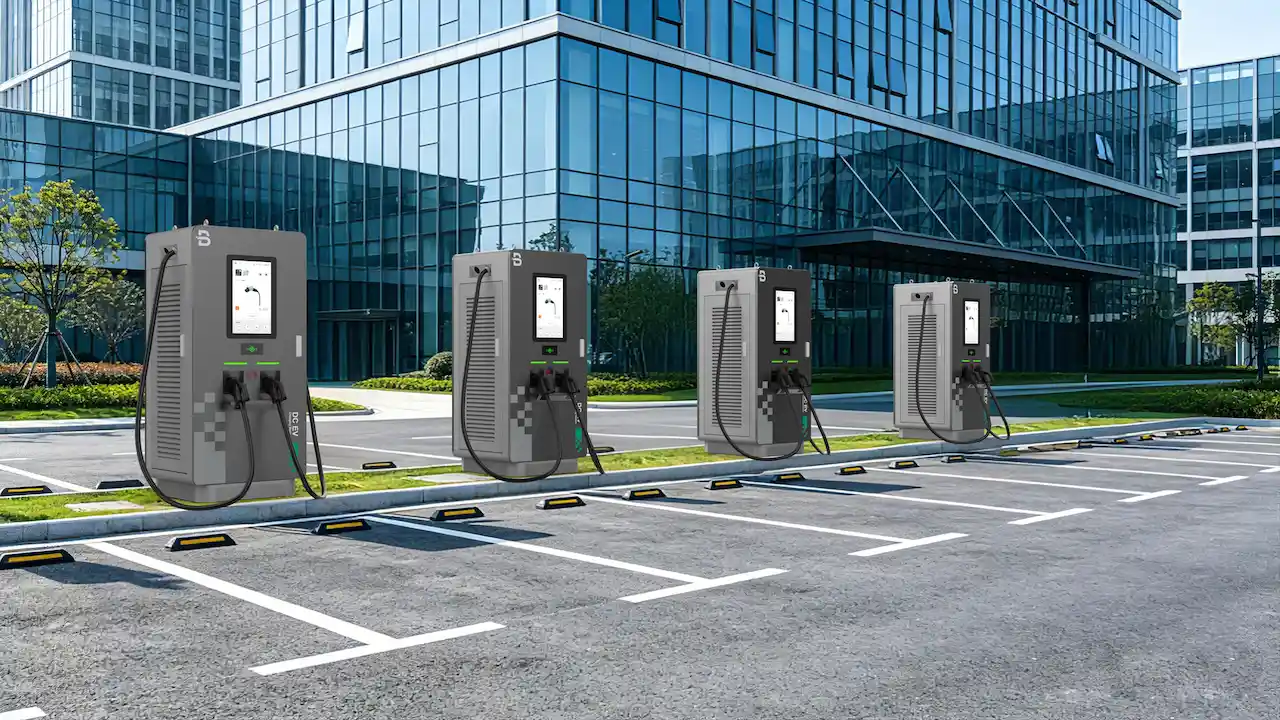
Commercial projects are more complex. A charger installed at a workplace, hotel, apartment community, fleet depot, retail center, or public charging site may need to support higher utilization, multiple users, payment systems, access control, network communication, and long-term maintenance.
- Is the charger certified for the U.S. market?
- Does the certification apply to the exact model and configuration?
- Is the charger suitable for the installation environment?
- Does it meet utility or rebate program requirements?
- Can it support OCPP or required backend integration?
- Is the charger compatible with the site’s electrical capacity?
- Can load management reduce the need for electrical upgrades?
- Does the supplier provide documentation for contractors and inspectors?
- What maintenance and support plan is available?
For commercial buyers, certification is part of a broader procurement decision. The charger must be safe, efficient, installable, maintainable, and suitable for the site’s business model.
What U.S. Buyers Should Check Before Choosing an EV Charger
- Exact Model Certification: Confirm the certification for the exact model number, power rating, connector type, and configuration.
- UL or NRTL Safety Documentation: Ask for documentation showing certification by UL or another accepted NRTL to applicable safety standards.
- Listing or Certification Record: Where possible, verify the listing or certification record, not only a brochure claim.
- ENERGY STAR Certification Where Applicable: For eligible models and programs where efficiency matters, confirm whether the exact model is ENERGY STAR certified.
- Installation Manual: Review wiring, mounting, protection, environmental, and commissioning requirements.
- Electrical Specifications: Check voltage, current, phase, breaker requirements, output power, enclosure rating, operating temperature, and installation method.
- Indoor or Outdoor Rating: Confirm whether the charger is suitable for the planned location.
- Network and Software Compatibility: For commercial projects, confirm backend compatibility, OCPP support, remote monitoring, access control, billing, payment, and reporting features.
- Load Management Capability: For multi-charger sites, load management may help avoid electrical overload and reduce infrastructure upgrade costs.
- Utility and Rebate Program Requirements: Some programs may require specific certifications, ENERGY STAR listing, network capability, data reporting, or approved equipment lists.
- Local Installation Review: Before purchasing large quantities, involve a qualified electrician, electrical engineer, utility representative, or AHJ where appropriate.
Common Mistakes When Buying EV Chargers for the U.S. Market
Many project problems can be avoided by checking certification and installation requirements early.
- Assuming “UL components” means the entire charger is UL certified
- Accepting vague certification claims without model-specific documents
- Confusing ENERGY STAR certification with safety certification
- Ignoring local electrical code and permit requirements
- Buying chargers before checking panel or transformer capacity
- Choosing plug-in chargers where hardwired installation is more suitable
- Ignoring outdoor enclosure and temperature requirements
- Forgetting utility rebate requirements
- Not checking OCPP or software compatibility
- Not planning for maintenance, spare parts, and technical support
- Treating residential and commercial charging projects the same way
- Assuming a charger approved in one market is automatically suitable for the U.S.
For buyers, the best time to avoid these mistakes is before procurement. Once chargers arrive onsite, certification or installation mismatches can become expensive.
How EVB Supports UL-Certified and ENERGY STAR Certified Charging Solutions
EVB supports U.S. charging projects with EV charging solutions designed around safety, efficiency, and practical deployment.
For the U.S. market, EVB offers EV charger models with UL certification and, where applicable, ENERGY STAR certification, helping customers address key procurement concerns around product safety and energy efficiency. Because certification is model-specific, buyers should always confirm the latest certification documents for the exact EVB charger model and configuration required for their project.

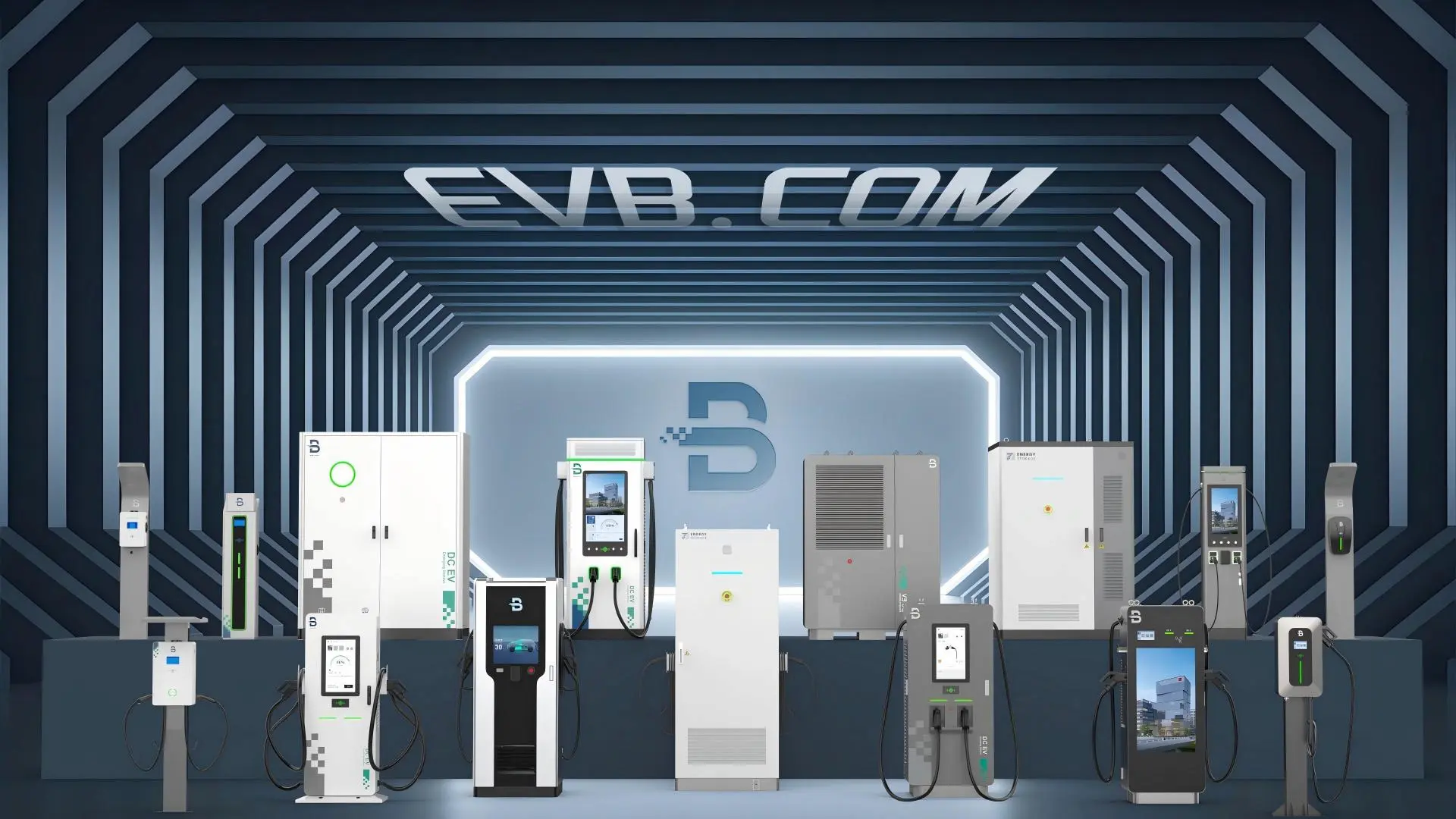
EVB’s charging portfolio can support residential EV charging, multi-family housing, workplace charging, hotel and hospitality charging, retail and destination charging, commercial parking, fleet depot charging, public charging, and solar-storage-charging projects.
Beyond product safety and energy efficiency certification, EVB supports customers with charging hardware, charging management software, remote monitoring, load management, and solar-storage-charging integration. For commercial buyers, this matters because a successful charging project is not only about passing inspection. It also needs to operate reliably after installation.
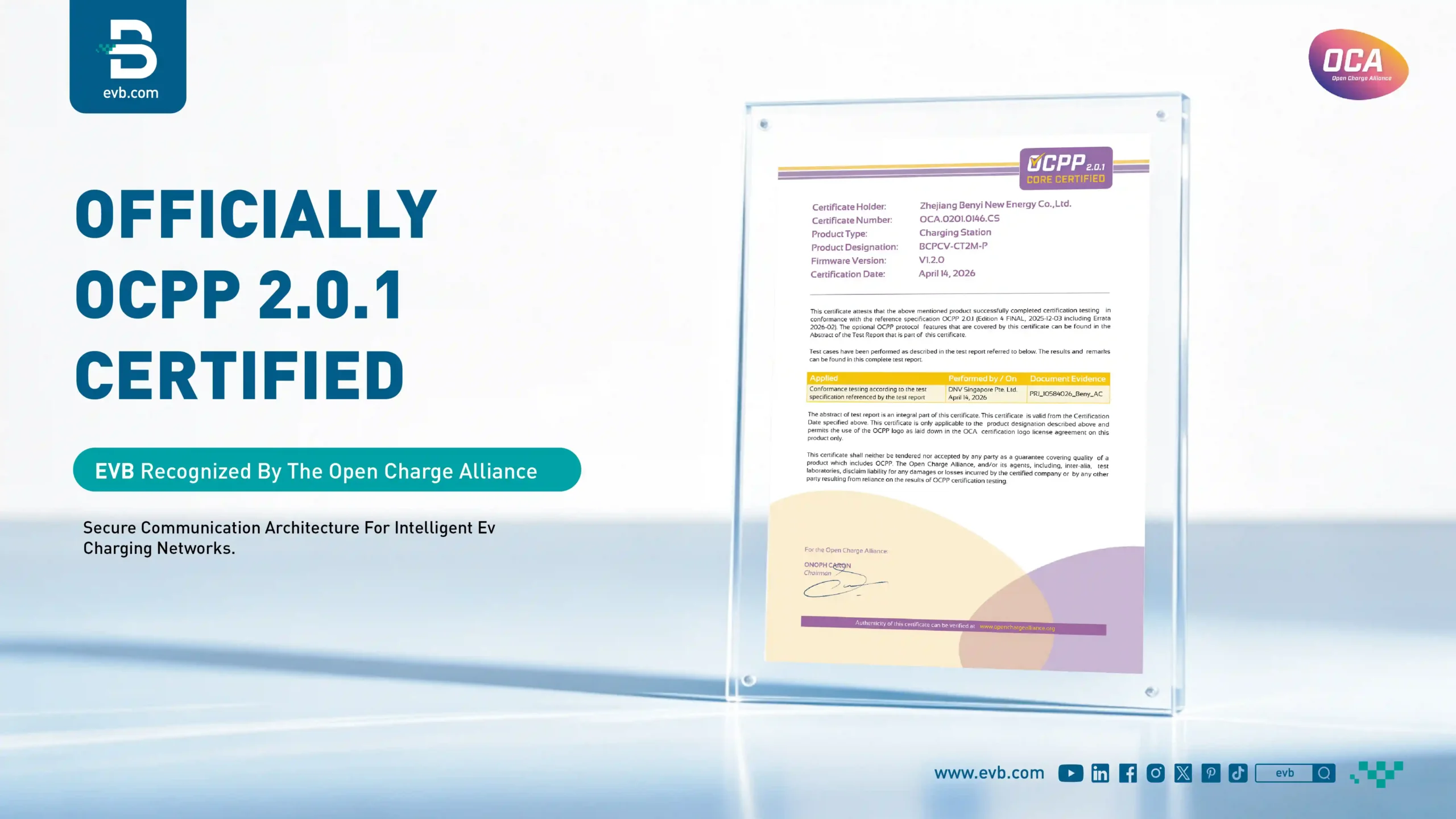
For commercial charging networks, buyers should also evaluate software interoperability separately from product safety certification. For example, OCPP certification can support backend communication, remote monitoring, and network operation, while UL certification focuses on product safety and ENERGY STAR focuses on energy efficiency.
EVB can help customers evaluate charger type, power level, installation scenario, load management requirements, software and backend needs, site operating model, long-term maintenance planning, energy efficiency expectations, and certification documentation requirements.
For U.S. buyers, this creates a clearer path from charger selection to installation review and long-term operation.
Why Clear Certification Documentation Matters for Buyer Research
U.S. buyers often research EV charger certification before contacting a supplier. They may want to know whether a charger is UL Listed, whether the exact model is ENERGY STAR certified, whether it can qualify for utility incentives, or whether local inspectors are likely to accept the installation.
Clear certification documentation helps buyers answer practical questions:
- Which exact charger models are certified?
- Which standards apply to the product?
- Is the charger suitable for indoor or outdoor installation?
- Does the product support rebate or utility program requirements?
- Is the installation manual clear enough for contractors?
- Does the supplier provide documentation for AHJ or utility review?
- Are safety certification and efficiency certification clearly separated?
For commercial projects, clear documentation can reduce uncertainty during procurement, permitting, installation, and commissioning. It also helps installers, engineers, utilities, and site owners work from the same information.
Conclusion
For U.S. EV charging projects, certification is not a minor detail. It is one of the foundations of safe installation, long-term operation, buyer confidence, and project approval.
UL certification helps buyers evaluate product safety. ENERGY STAR certification helps identify efficient charging equipment. NEC compliance and local electrical inspection help ensure the charger is installed correctly. NRTL certification, utility requirements, and site-specific permits may also shape the final project path.
The safest approach is to treat certification as part of the full charger selection process, not as a box checked at the end.
For homeowners, commercial property owners, CPOs, fleet operators, installers, and developers, the right EV charger should be certified, efficient, installable, maintainable, and suitable for the real use case.
EVB supports U.S. buyers with UL-certified and, where applicable, ENERGY STAR certified EV charging solutions, combined with practical charging system design, software support, and deployment guidance for residential, commercial, fleet, and public charging applications.
FAQ: EV Charger Certification for U.S. Buyers
What does UL certification mean for an EV charger?
UL certification means an EV charger has been evaluated by UL Solutions against applicable safety standards for that product type. It helps demonstrate that the charger meets recognized safety requirements, but buyers should confirm certification for the exact model.
Is UL certification required for EV chargers in the U.S.?
Requirements depend on the project, location, authority, utility, and installation type. In many U.S. projects, inspectors, utilities, employers, or property owners may require EV charging equipment certified by a recognized NRTL such as UL Solutions.
What is the difference between UL Listed and UL Recognized?
UL Listed usually applies to a complete finished product. UL Recognized usually applies to components used inside another product. A charger using UL Recognized components is not automatically the same as a UL Listed complete charger.
What does ENERGY STAR certification mean for EV chargers?
ENERGY STAR certification means an eligible EV charger meets energy efficiency requirements under the ENERGY STAR program. It can help reduce standby energy waste and may support rebate eligibility in some programs.
Does ENERGY STAR replace UL certification?
No. ENERGY STAR focuses on energy efficiency, while UL certification focuses on product safety. A buyer should not treat ENERGY STAR certification as a substitute for safety certification.
What is an NRTL?
NRTL stands for Nationally Recognized Testing Laboratory. OSHA recognizes NRTLs to test and certify products under applicable safety standards. UL Solutions is one recognized NRTL.
Does a UL-certified charger automatically pass local inspection?
No. Product certification helps, but the installation must still follow NEC requirements, local electrical code, permit rules, and AHJ review.
What does NEC Article 625 cover?
NEC Article 625 covers electric vehicle power transfer systems, including requirements related to EV charging installations. Local adoption and interpretation may vary, so a qualified electrician or electrical contractor should review the project.
Should commercial EV charger buyers check certification before purchase?
Yes. Commercial buyers should confirm model-specific safety certification, energy efficiency certification where applicable, electrical specifications, installation requirements, software compatibility, utility program requirements, and local approval needs.
Does EVB offer UL-certified and ENERGY STAR certified EV chargers?
Yes. EVB offers EV charger models with UL certification and, where applicable, ENERGY STAR certification for the U.S. market. Buyers should confirm the latest certification documents for the exact charger model and configuration required for their project.
Sources and Further Reading
- ENERGY STAR – Electric Vehicle Chargers (accessed June 27, 2026)
- OSHA – Nationally Recognized Testing Laboratory Program (accessed June 27, 2026)
- NFPA – National Electrical Code (accessed June 27, 2026)
- UL Solutions – EV Charging Infrastructure Services (accessed June 27, 2026)
- UL Standards & Engagement – UL 2594 Electric Vehicle Supply Equipment (accessed June 27, 2026)